
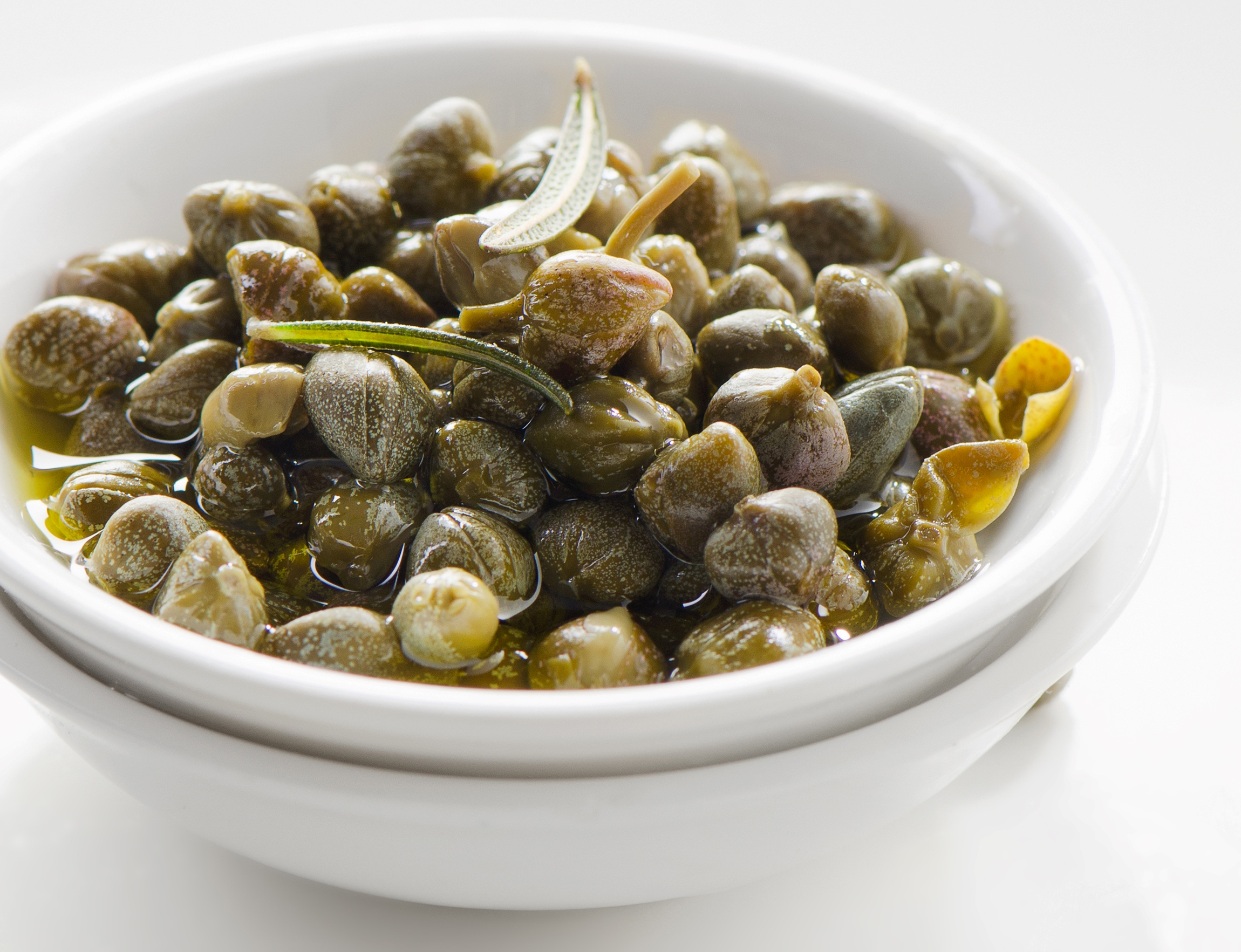
You probably know capers as a small and tangy condiment often used in Mediterranean cuisine. These little flower buds are packed with flavor and have a long history of culinary and medicinal use. Here are some interesting facts about capers and why you should consider adding them to your diet.
What Are Capers?
First of all, capers come from the caper bush, a plant native to the Mediterranean and parts of Asia. The buds are usually harvested before they bloom into flowers and are then dried and pickled in vinegar or brine. Capers are commonly used in Italian, Greek, and French and Mediterranean cuisines to add a salty, tangy flavor to dishes like pasta, salads, sauces, and pizzas.
How Are Capers Used?
One of the most popular dishes featuring capers is the classic Italian dish, chicken piccata. This dish features chicken breast cooked in a lemon-caper sauce, made by sautéing capers, lemon juice, butter, and white wine. The result is a tangy and flavorful sauce that perfectly complements the chicken.
Capers are also commonly used in salads, particularly in the famous French salad, salade Niçoise. This salad features lettuce, boiled potatoes, green beans, hard-boiled eggs, tuna, and – of course – capers. The capers add a tangy and salty flavor to the salad, which is then dressed with a vinaigrette made with olive oil, Dijon mustard, and red wine vinegar.
What Are the Wellness Benefits of Capers?
One of the reasons capers are so flavorful is because they are high in quercetin, a flavonoid antioxidant that has been shown to have anti-inflammatory and anti-cancer properties. Additionally, capers are a good source of vitamins C and K, as well as minerals like iron and calcium.
But capers aren’t just good for your health – they also have a fascinating history. In ancient times, capers were used for medicinal purposes and were believed to have anti-inflammatory and anti-rheumatic properties. In fact, the famous Greek physician Hippocrates recommended capers as a remedy for scorpion bites.
Capers are a small but mighty food, packed with a surprising array of health benefits. They are rich in antioxidants, including flavonoids and carotenoids, which can help protect against oxidative stress and reduce the risk of chronic diseases such as heart disease, cancer, and diabetes. Additionally, capers are a good source of fiber, which can help support healthy digestion and promote feelings of fullness. They also contain vitamin K, which is important for bone health, and vitamin C, which plays a role in immune function and skin health. With their unique tangy flavor and impressive nutritional profile, capers are a delicious and healthy food choice.
Why Capers Are Great for Middle-Aged Men
- Rich in Antioxidants: Capers are a good source of antioxidants, which help combat free radicals in the body. Free radicals can contribute to cell damage and various age-related health issues.
- Potential Digestive Benefits: Capers may aid digestion by stimulating the production of digestive enzymes. This can be beneficial for overall gut health and nutrient absorption.
- Source of Quercetin: Capers contain quercetin, a plant compound with potential anti-inflammatory properties. Chronic inflammation is linked to various health concerns, including heart disease and certain cancers.
- Low in Calories and Fat: Capers are a low-calorie and low-fat addition to your diet. This makes them a guilt-free way to add flavor and nutrients to your meals.
- May Promote Heart Health: Some studies suggest that capers may help lower blood pressure and cholesterol levels. However, more research is needed to confirm these findings.
Enjoy Capers in Savory Ways:
Capers are a versatile ingredient that can be enjoyed in various savory dishes:
- Add them to salads, pasta dishes, or pizzas for a burst of salty and tangy flavor.
- Enjoy capers alongside grilled fish or chicken for a flavorful accompaniment.
- Use capers as a flavorful topping for bruschetta or crostini.
- Chop capers and add them to sauces, dressings, or dips for an extra layer of complexity.
Further Exploration:
Capers can be a delicious and potentially beneficial addition to your diet. If you’re interested in learning more about how they might complement your health regimen, discuss it with your doctor or a registered dietitian. They can provide personalized advice based on your individual needs and health history.
Conclusion
Don’t underestimate the power of these tiny capers! Packed with antioxidants, quercetin, and low in calories and fat, they can be a flavorful and healthy addition to your meals. From potentially aiding digestion and promoting heart health to adding a delicious twist to your dishes, capers offer a range of benefits for middle-aged men seeking to enhance their overall well-being. So, explore the many ways to incorporate capers into your diet and discover their unique flavor and potential health advantages.
REFERENCES
Health Benefits
- https://draxe.com/nutrition/capers.
- https://www.healthline.com/nutrition/capers-nutrition
- https://www.stylecraze.com/articles/benefits-of-capers-for-skin-hair-and-health/
- https://www.webmd.com/diet/health-benefits-capers


