
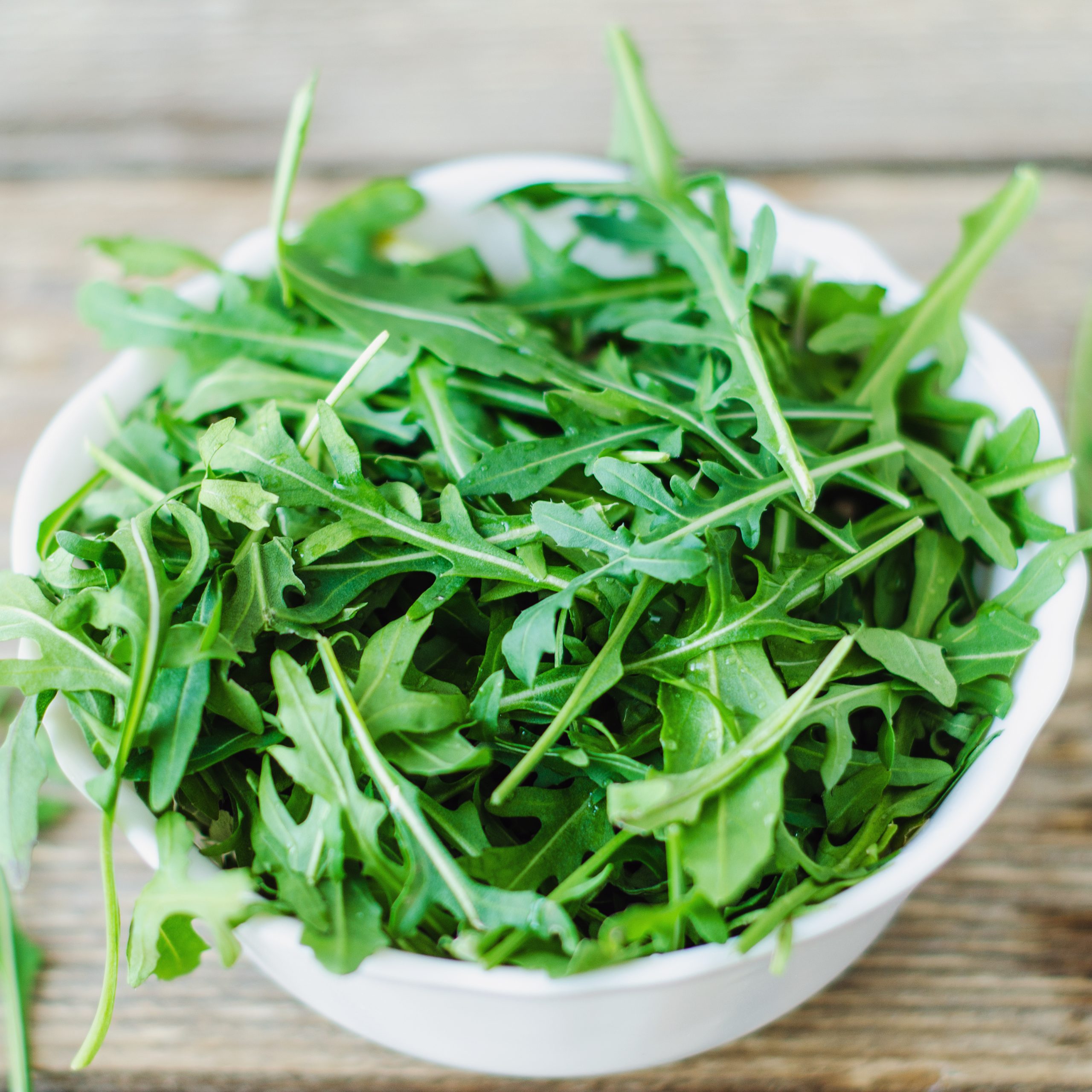
Did you know that arugula is not just a salad green, but also a powerful superfood that can help with digestion, reduce inflammation, and even improve memory and cognitive function? It’s packed with vitamins and minerals that can boost your immune system and promote overall health. If you’re looking for a low-calorie, nutrient-dense food that can help you lose weight and feel fuller for longer, look no further than arugula. This leafy green is high in fiber and water content, making it a great choice for anyone trying to maintain a healthy weight.
What Is Arugula?
Arugula, also known as rocket or rucola, is a leafy green vegetable that belongs to the Brassicaceae family. It’s a herbaceous annual plant that typically grows up to 2 feet tall and produces clusters of small white flowers. Arugula leaves are deeply lobed and have a peppery, slightly bitter taste that’s similar to mustard greens or watercress. It’s often used in salads, sandwiches, and as a pizza topping.
How Is Arugula Used?
Arugula has been used as a food and medicinal herb since ancient Roman times. It’s commonly used today in Mediterranean cuisine, particularly in Italy, where it’s often added to salads and pizza toppings.
Arugula is also popular in the Middle East, where it’s used in traditional dishes like fattoush salad and tabbouleh.
In addition to its use in cuisine, arugula is also believed to have various health benefits and is sometimes used in natural remedies for indigestion and inflammation.
What Are The Wellness Benefits Of Arugula?
Arugula has several scientifically proven health benefits, thanks to its high nutrient content. One of the most notable benefits is its ability to improve digestion. Arugula contains high amounts of fiber, which can promote healthy bowel movements and prevent constipation. Additionally, arugula has been shown to have anti-inflammatory properties, which may help reduce the risk of chronic diseases such as cancer, diabetes, and heart disease.
Studies have also found that arugula is a rich source of antioxidants, such as vitamin C, vitamin A, and beta-carotene, which can help protect the body from cellular damage caused by free radicals. This can potentially reduce the risk of chronic diseases and slow down the aging process.
Arugula is also believed to have anti-cancer properties, particularly when it comes to preventing the growth of certain types of cancer cells. This is due to its high content of glucosinolates, compounds that have been shown to have anti-cancer effects.
Including arugula in your diet can provide a wide range of health benefits, including improved digestion, reduced inflammation, protection against cellular damage, and potentially a reduced risk of chronic diseases.
Why Arugula is Great for Middle-Aged Men?
1. Packed with Essential Nutrients: Arugula is a good source of essential vitamins and minerals, including vitamins A, C, and K. Vitamin K plays a vital role in blood clotting and bone health, while vitamins A and C are essential antioxidants that support overall health. It’s also a good source of folate and potassium, which contribute to various bodily functions.
2. Potential Source of Antioxidants: Arugula contains vitamins A and C, which act as antioxidants. Antioxidants help protect cells from damage caused by free radicals, which contribute to the aging process and the development of chronic diseases.
3. Supporting Heart Health: Arugula contains nitrates, which your body converts into nitric oxide. Nitric oxide helps relax and dilate blood vessels, potentially improving blood flow and lowering blood pressure. This may be beneficial for cardiovascular health.
4. Digestive Support: Arugula is a good source of fiber, which can promote digestive health and regularity. Fiber can also help you feel fuller for longer, potentially aiding in weight management.
5. Low in Calories and Fat: Arugula is a low-calorie and low-fat vegetable, making it a suitable addition to a healthy diet for men over 50 who are watching their weight or managing blood sugar levels.
It’s important to note:
- Arugula’s peppery flavor can be quite strong. You can balance it by pairing it with other flavors in your salad or dish.
Enjoy Arugula in Many Ways:
Arugula is a versatile leafy green that can be enjoyed in various ways:
- Toss arugula into salads for a peppery kick and a boost of nutrients.
- Use arugula as a base for pizzas or flatbreads.
- Add arugula to pesto or chimichurri sauce for a unique flavor twist.
- Enjoy arugula in a wrap or sandwich with other healthy ingredients.
Further Exploration:
Arugula is a delicious and nutritious addition to your diet. If you’re interested in learning more about how it might complement your health regimen, discuss it with your doctor or a registered dietitian. They can provide personalized advice based on your individual needs and health history.
Conclusion
Arugula is more than just a peppery salad addition. This leafy green powerhouse bursts with essential vitamins, minerals, and antioxidants, offering a range of potential health benefits for middle-aged men. From promoting healthy digestion and reducing inflammation to potentially supporting heart health and cognitive function, arugula is a versatile and nutrient-dense choice. Its low-calorie, low-fat profile makes it a waistline-friendly option as well. Don’t be intimidated by its strong flavor – explore different ways to incorporate arugula into your meals, from salads and pizzas to pestos and wraps. With its delicious taste and potential health benefits, arugula can be a simple yet powerful way to elevate your overall well-being.
REFERENCES
- https://www.ncbi.nlm.nih.gov/pmc/articles/PMC3544045/
- https://www.ncbi.nlm.nih.gov/pmc/articles/PMC8575925/
- https://www.ncbi.nlm.nih.gov/pmc/articles/PMC8575925/
- https://www.ncbi.nlm.nih.gov/pmc/articles/PMC2737735/
- https://www.ncbi.nlm.nih.gov/pmc/articles/PMC526387/
- https://www.ncbi.nlm.nih.gov/pmc/articles/PMC6196731/


