
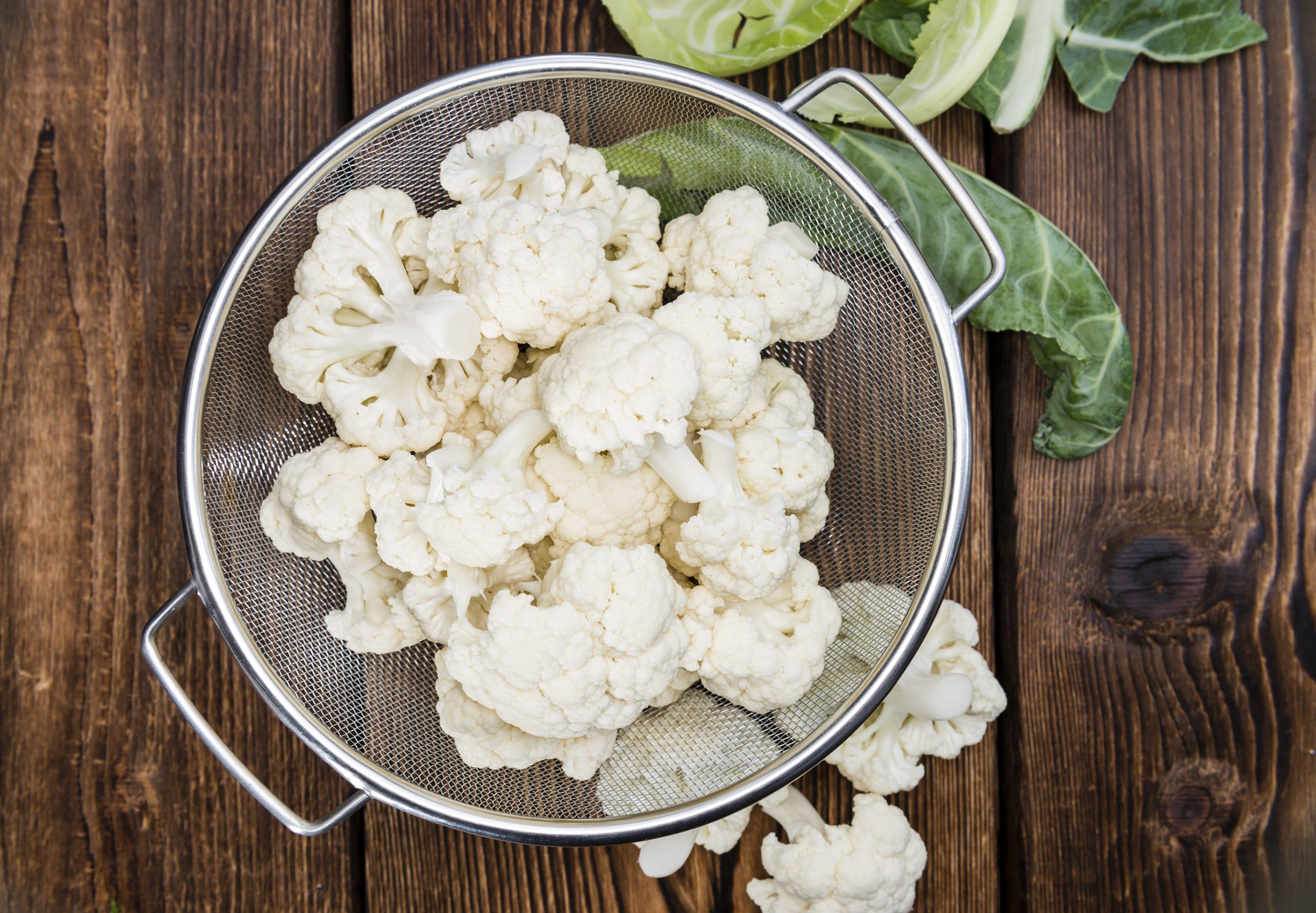
Did you notice many health-conscious people increasingly switching to rice alternatives like cauliflower rice? Compared to rice, cauliflower rice is healthier because it contains fewer calories and carbohydrates, more fiber, higher B vitamins, greater vitamin C, enough vitamin K1, and a few minerals.
What Is Cauliflower?
Cauliflower is a vegetable that belongs to the plant family Brassica oleracea. Other common vegetables in this species include cabbage, broccoli, kohlrabi, kale, and Brussels sprouts. It is a seed-reproducing annual plant.
The Italian term cavolfiore, which translates as “cabbage flower,” is where the word “cauliflower” originates.
Cauliflower is typically white, but green, purple, and orange varieties are also available.
What Are The Uses Of Cauliflower?
Cauliflower’s head or curd is frequently used as food. There are countless methods to prepare cauliflower, including roasting, mashing, and adding it to soups and casseroles.
Although cauliflower is also used for medicinal purposes like to treat cancer, diabetes, heart disease, obesity, and other conditions, there isn’t enough reliable scientific proof to back up these uses.
What Are The Wellness Benefits Of Cauliflower?
Cauliflower contains several nutrients and unique plant compounds that can reduce inflammation, and the risk of several chronic diseases, improve digestion and brain health and help in weight loss.
Cauliflower contains a lot of dietary fiber, which research suggests may help control inflammation and regulate your immune system. However, it might aid in lowering the risk of diseases, including diabetes, obesity, and cardiovascular disease, linked to inflammation.
Another research investigation has linked high fiber intakes to considerably lower risks of hypertension, stroke, coronary heart disease, and several gastrointestinal diseases.
Cauliflower contains choline, a crucial and versatile “vitamin-like component” that supports learning, memory, muscle activity, and sleep.
Cauliflower is an excellent source of fiber, which slows digestion and increases feelings of fullness. This could automatically lower the number of calories consumed during the day, which is crucial for weight management.
Why Cauliflower is Great for Middle-Aged Men
Cauliflower, the cruciferous vegetable with its characteristic white florets, is more than just a low-carb substitute for rice. It boasts a surprising array of potential health benefits that may be of particular interest to middle-aged men. Here’s a closer look at why incorporating cauliflower into your diet can be a wise choice:
1. Packed with Essential Nutrients: Cauliflower is a nutritional powerhouse, offering a good source of vitamins C and K, fiber, and potassium. Vitamin C acts as an antioxidant, while vitamin K plays a vital role in blood clotting and bone health. Fiber promotes digestive health and can aid in weight management. Potassium helps regulate blood pressure.
2. Potential Prostate Health Benefits: Some research suggests that sulforaphane, a compound found in cauliflower, may have properties beneficial for prostate health. However, more research is needed in this area.
3. Excellent Source of Fiber: Cauliflower is a good source of dietary fiber, which helps promote digestive health and can contribute to feelings of fullness. This can be beneficial for weight management and overall gut health.
4. May Support Heart Health: The fiber content in cauliflower, along with other plant compounds, may contribute to heart health by potentially lowering LDL (“bad”) cholesterol levels.
5. Versatile and Low-Carb Option: Cauliflower is a versatile vegetable that can be enjoyed in various ways. It’s also a low-carb option, making it a good choice for those following a low-carb diet.
It’s important to note:
- There are different ways to cook cauliflower that can affect its nutrient content. Steaming or roasting are healthy cooking methods that help preserve nutrients.
Enjoy Cauliflower in Many Ways:
Cauliflower is a versatile vegetable that can be enjoyed in various ways:
- Roast cauliflower florets for a simple and healthy side dish.
- Rice cauliflower for a low-carb alternative to traditional rice.
- Use cauliflower as a base for pizza crust or flatbreads.
- Mash cooked cauliflower for a creamy and healthy side dish.
- Add chopped cauliflower to stir-fries, soups, or stews for extra flavor and nutrients.
Further Exploration:
Cauliflower is a delicious and nutritious addition to your diet. If you’re interested in learning more about how it might complement your health regimen, discuss it with your doctor or a registered dietitian. They can provide personalized advice based on your individual needs and health history.
Conclusion:
Don’t underestimate the power of cauliflower! This versatile vegetable offers a wealth of potential health benefits for middle-aged men. From supporting heart and prostate health to providing essential vitamins, minerals, and fiber, cauliflower can be a valuable addition to your diet. So, explore the many ways to enjoy cauliflower and experience its unique flavor and potential health advantages.
REFERENCES
Health Benefits
- https://pubmed.ncbi.nlm.nih.gov/19335713/
- https://www.uab.edu/news/health/item/3292-foods-can-help-fight-inflammation
- https://www.ncbi.nlm.nih.gov/pmc/articles/PMC2782876/
- https://www.ncbi.nlm.nih.gov/pmc/articles/PMC3257631/
As An Anticancer
- https://pubmed.ncbi.nlm.nih.gov/23679237/
- https://www.ncbi.nlm.nih.gov/pmc/articles/PMC2737735/
- https://pubmed.ncbi.nlm.nih.gov/15035868/
- https://pubmed.ncbi.nlm.nih.gov/15554241/
- https://pubmed.ncbi.nlm.nih.gov/23978168/
- https://www.ncbi.nlm.nih.gov/pmc/articles/PMC3793502/
- https://pubmed.ncbi.nlm.nih.gov/12134711/
- https://www.ncbi.nlm.nih.gov/pmc/articles/PMC7071196/#:~:text=Flavonoids%20have%20been%20shown%20to,cancer%20cell%20proliferation%20and%20invasiveness.
- https://www.ncbi.nlm.nih.gov/pubmed/12569111
- https://www.ncbi.nlm.nih.gov/pmc/articles/PMC3783921/
- https://pubmed.ncbi.nlm.nih.gov/10736624/


