
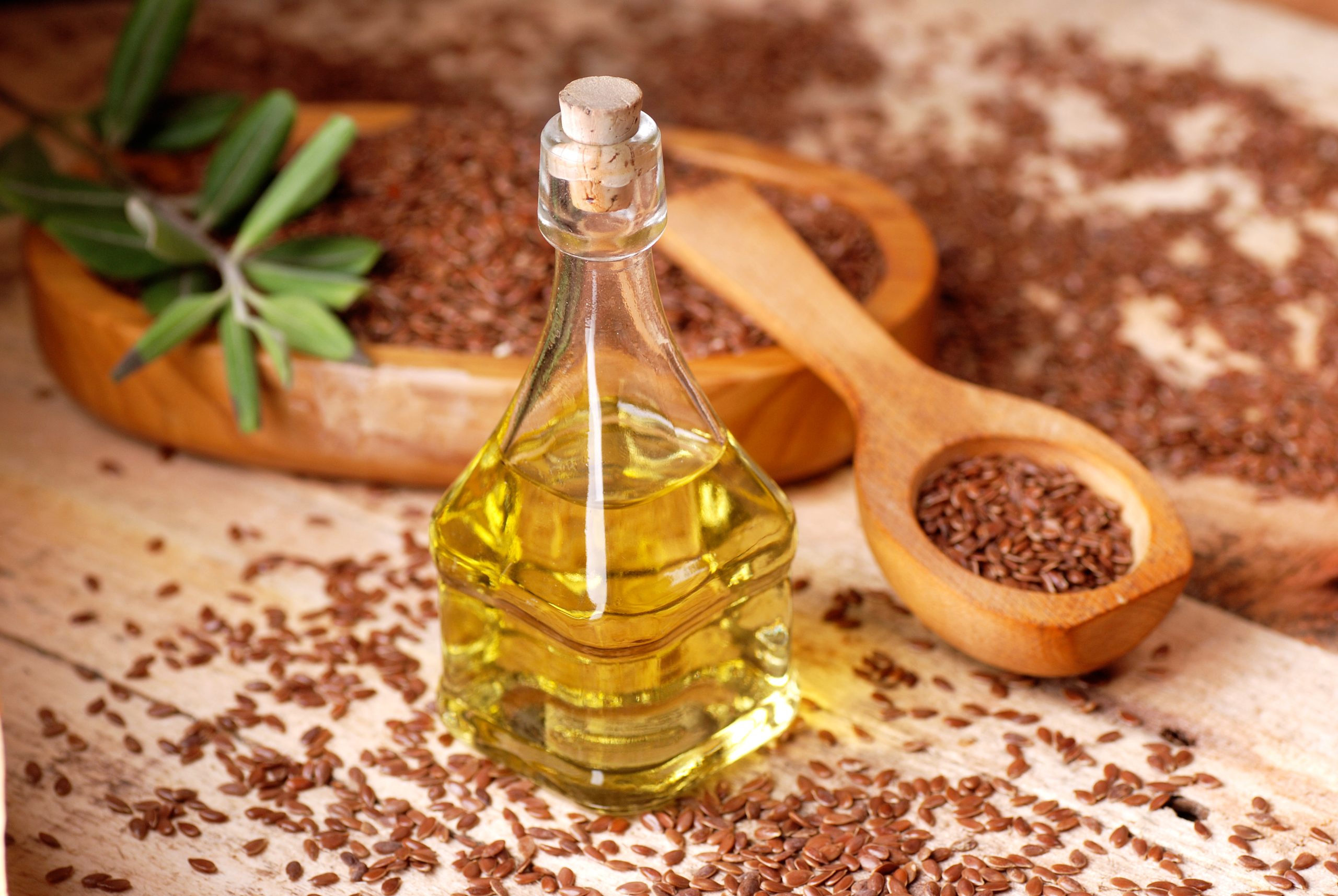
Have you ever heard that flaxseed is among the world’s oldest crops? It is an incredibly versatile ingredient having a mild, nutty flavor and crisp, crunchy texture that may improve the taste and texture of nearly any recipe.
What Is Flaxseed?
Flax (Linum usitassimum) belongs to the family Lineaceae, a perennial herb with blue blossoms. It yields small, flat, yellowish, or brownish seeds. It is a significantly grown crop in the world’s temperate zones for its edible seeds and fiber.
What Are The Uses Of Flaxseed?
Nutty-flavored flaxseeds can be eaten raw, ground up, and cold-pressed to extract oil. Flaxseeds have been used in paints, textiles, and cattle feed for thousands of years. Flaxseed is an incredibly versatile superfood for anyone looking to include more nutrient-dense foods. Some of the most common uses for flaxseed include:
- Adding a nutritional boost to smoothies and juices: Adding flaxseed to juices and smoothies is one of the easiest ways to enjoy it. Not only it tastes great but it is also full of nutrients.
- Baking with flaxseed meal: Flaxseed meal is ground-up flaxseeds, which makes it easier to incorporate into baking recipes like muffins, pancakes, and more.
- Cooking with flaxseed oil: Flaxseed oil is an excellent choice for cooking as it is a healthy alternative to other oils and has a nutty flavor that can add depth to dishes without overpowering them.
- Sprinkling on salads or granola: Adding ground-up flaxseeds to salads or granola is an easy way to increase nutrient content without sacrificing flavor.
- Adding to yogurt: Ground flaxseed can easily be added to yogurt for a nutritional boost and adds great texture and crunch.
Moreover, having learned about the crop’s various health benefits, people are increasingly using it as an ingredient in a wide range of dishes (such as bread, smoothies, cereals, cakes, etc.) or as a supplement.
What Are The Wellness Benefits Of Flaxseed?
Firstly, flaxseed is an excellent source of numerous nutrients, like fiber, protein, omega-3 fatty acids, copper, and thiamine, all associated with several health benefits. It is rich in ALA (alpha-linolenic acid) and omega-3 fatty acid, which may help improve cardiovascular health.
Flaxseed’s high fiber content may equally benefit cholesterol reduction, heart health improvement, blood sugar control, regular bowel movements, digestive health improvement, and weight management.
Why Flaxseed is Great For Middle-Aged Men?
- Rich in Omega-3 Fatty Acids: Flaxseed is an excellent plant-based source of omega-3 fatty acids, particularly alpha-linolenic acid (ALA). Omega-3s are essential for heart health and may help reduce inflammation throughout the body, a concern as men age.
- Potential Prostate Health Benefits: Some research suggests that the lignans found in flaxseed may have a positive impact on prostate health. However, more research is needed to confirm these findings.
- Fiber for Digestion: Flaxseed is a good source of both soluble and insoluble fiber. Soluble fiber can help regulate blood sugar and cholesterol levels, while insoluble fiber promotes a healthy digestive system.
- Source of Plant-Based Protein: Flaxseed is a good source of plant-based protein, which can be helpful for men looking to maintain muscle mass as they age.
Deliciously Diverse:
Flaxseed’s nutty flavor and versatility allow for creative incorporation into your diet:
- Ground Flaxseed: Sprinkle ground flaxseed over cereal, yogurt, or oatmeal for a nutrient boost. You can also use it as an egg substitute in baking.
- Flaxseed Oil: Drizzle flaxseed oil on salads or use it in homemade salad dressings.
- Flaxseed Meal: Baked goods like muffins and breads can be enriched with flaxseed meal for added fiber and a nutty flavor.
Conclusion
Flaxseed is a tiny seed with a powerful nutritional punch. For men in their middle years, flaxseed may offer benefits for heart health, prostate health (potential, research ongoing), digestion, and protein intake. So, explore the versatility of flaxseed and enjoy its potential health contributions to your diet!
REFERENCES
Health Benefits
- https://www.ncbi.nlm.nih.gov/pmc/articles/PMC6567199/
- https://pubmed.ncbi.nlm.nih.gov/22245724/
- https://pubmed.ncbi.nlm.nih.gov/29228348/
- https://pubmed.ncbi.nlm.nih.gov/25694068/
- https://www.ncbi.nlm.nih.gov/books/NBK559033/
Anti-Cancer
- https://www.ncbi.nlm.nih.gov/pmc/articles/PMC4375225/
- https://pubmed.ncbi.nlm.nih.gov/29468163/
- https://pubmed.ncbi.nlm.nih.gov/29869224/
- https://www.ncbi.nlm.nih.gov/pmc/articles/PMC6699425/
- https://pubmed.ncbi.nlm.nih.gov/26854452/
- https://pubmed.ncbi.nlm.nih.gov/33080470/
- https://www.mdpi.com/2076-3921/11/5/892


