
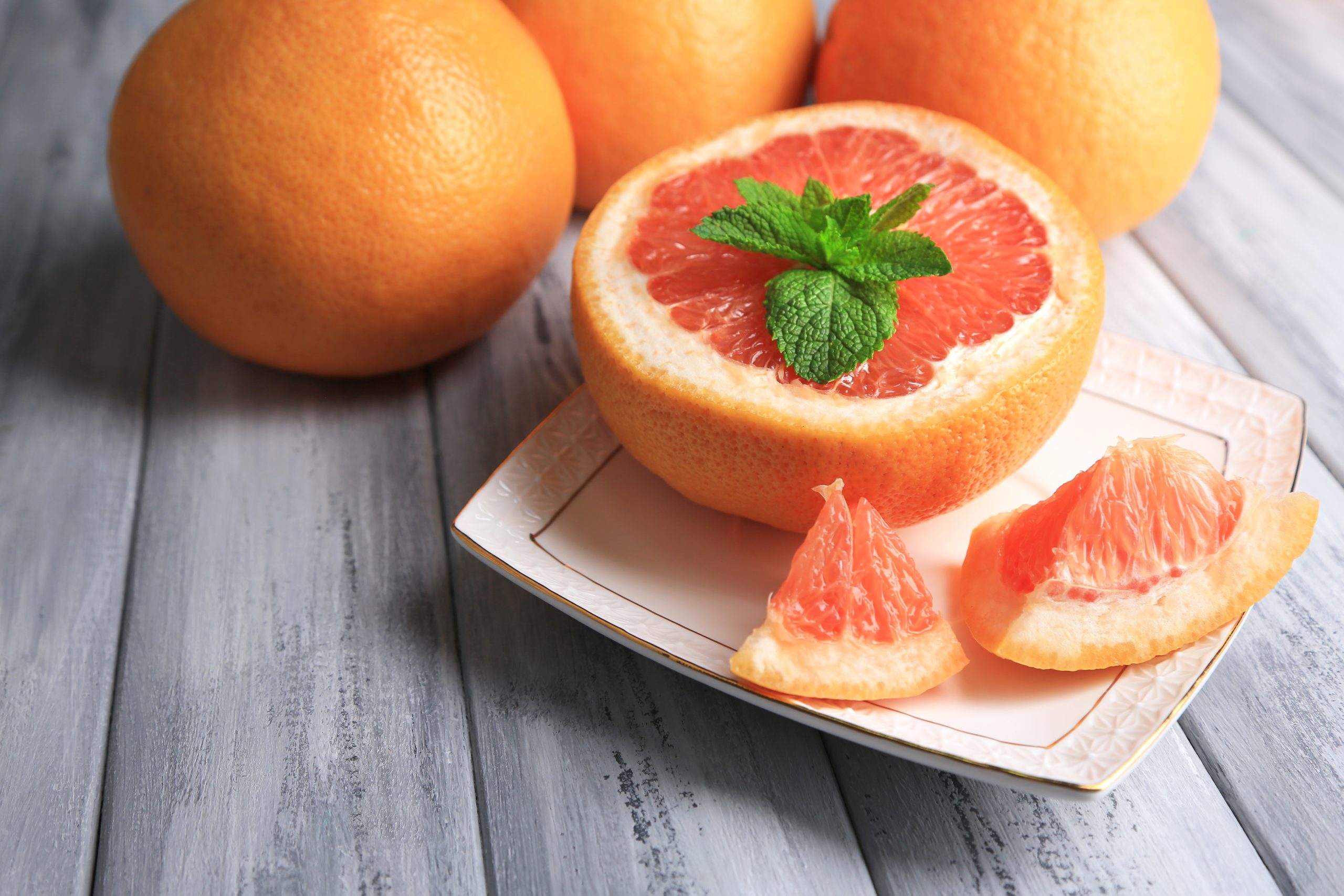
What Is Grapefruit?
Grapefruit is a hybrid between pomelo and a kind of sweet orange. It was initially called “The Forbidden fruit”. Grapefruit is called grapefruit because it grows in a pattern similar to grapes in the form of bunches.
There are as many as 20 varieties of grapefruit growing in America and each variety has its specific characteristics. For example, the Floridan grapefruit has a thinner outer covering and is sweeter as compared to the Californian grapefruit. Among citrus fruits, grapefruit is the only one that is native to America. They were first discovered in Barbados in the 1750s.
What Are The Uses Of Grapefruit?
Initially, people cultivated them for their aesthetics. Large trees with dark green leaves and yellow fruits grow among them. But once their taste and health benefits were discovered they started to be shipped throughout the nation. Grapefruit is not only rich in vitamin C but also contains other nutrients like antioxidants and fiber.
Let’s have a look at some of the scientifically proven health benefits of grapefruits.
What Are The Wellness Benefits Of Grapefruit?
Low-calorie and highly nutritious:
Grapefruit is an excellent addition to a balanced diet because it is low in calories yet high in other essential nutrients. In fact, it is among the lowest calorie-containing fruits. It provides fiber and antioxidants in addition to other 15 other vitamins (vitamin C, A) and minerals potassium, and magnesium.
Weight loss:
Grapefruit is also excellent for reducing weight because it is low in calories. It contains fiber which enhances the feeling of fullness and helps in reducing weight. The water content of grapefruit is another property that makes it excellent for weight loss. People who included grapefruit in their daily meals reported a reduction in their waistline.
Insulin resistance and diabetes:
The insulin hormone regulates many metabolic processes of the body but its main role is in controlling blood sugar levels. When cells stop responding to insulin this is called insulin resistance. Higher insulin levels and blood sugar levels are the two major risk factors for type 2 diabetes. Grapefruit can protect you from diabetes by maintaining the insulin level in the blood and thus preventing you from becoming insulin resistant. Eating whole grapefruit is associated with low insulin levels and blood sugar levels both of which contribute to the reduced risk of diabetes.
Kidney stones:
Kidneys are the organs that filter waste materials from our bodies. The buildup of waste materials in the kidneys is the leading cause of kidney stones. Once the kidney stones become large enough, they will cause blockage in the kidneys hindering their working. The most common type of kidney stone is calcium oxalate stone. Grapefruits are very helpful in reducing the risk of kidney stones because they help in eliminating calcium from the body which reduces their buildup and kidney stones.
Why Grapefruit is Great For Middle-Aged Men?
1. Packed with Vitamin C: Grapefruit is an excellent source of vitamin C, a powerful antioxidant that supports the immune system and helps fight free radical damage.
2. Potential Weight Management Benefits (Early Research): Early research suggests that grapefruit may help promote feelings of fullness and potentially aid in weight management efforts. However, more studies are needed to fully understand these effects.
3. May Support Heart Health: Grapefruit may contribute to heart health by potentially lowering LDL (“bad”) cholesterol levels and blood pressure. However, more research is needed to confirm these benefits.
4. Source of Fiber: Grapefruit provides a good amount of fiber, which is important for digestive health and may also contribute to feelings of fullness.
5. Hydration Support: Grapefruit is high in water content, which can help with hydration, a crucial factor for overall health.
It’s important to note:
- Grapefruit can interact with certain medications. Consult your doctor before consuming grapefruit, especially if you have any underlying health conditions or are taking medication.
- Grapefruit juice can have a more significant interaction with medications compared to whole grapefruit. Be cautious if you consume grapefruit juice and take medication.
Enjoying Grapefruit:
There are many ways to enjoy grapefruit:
- Eat it fresh for a simple and refreshing snack.
- Segment it and add it to salads or yogurt for a burst of flavor and vitamin C.
- Squeeze fresh grapefruit juice to use in cocktails (be mindful of medication interactions).
- Grill grapefruit halves for a unique twist on this citrus fruit.
Conclusion
Grapefruit is a versatile and potentially beneficial fruit for middle-aged men. From supporting heart health and weight management to providing vitamin C and hydration, grapefruit can be a valuable addition to your diet. Remember, a balanced diet, regular exercise, and stress management practices remain essential for overall well-being. So, explore the refreshing possibilities of grapefruit and experience its potential health advantages alongside a healthy lifestyle.
REFERENCES
- https://www.healthline.com/nutrition/10-benefits-of-grapefruit#9.-Its-easy-to-add-to-your-diet
- https://www.uchicagomedicine.org/forefront/news/grapefruit-juice-boosts-drugs-anti-cancer-effects.
- https://www.foodnavigator.com/Article/2004/08/26/Grapefruit-juice-may-contain-cancer-fighting-compounds
- https://www.webmd.com/cancer/fruits-cancer


