
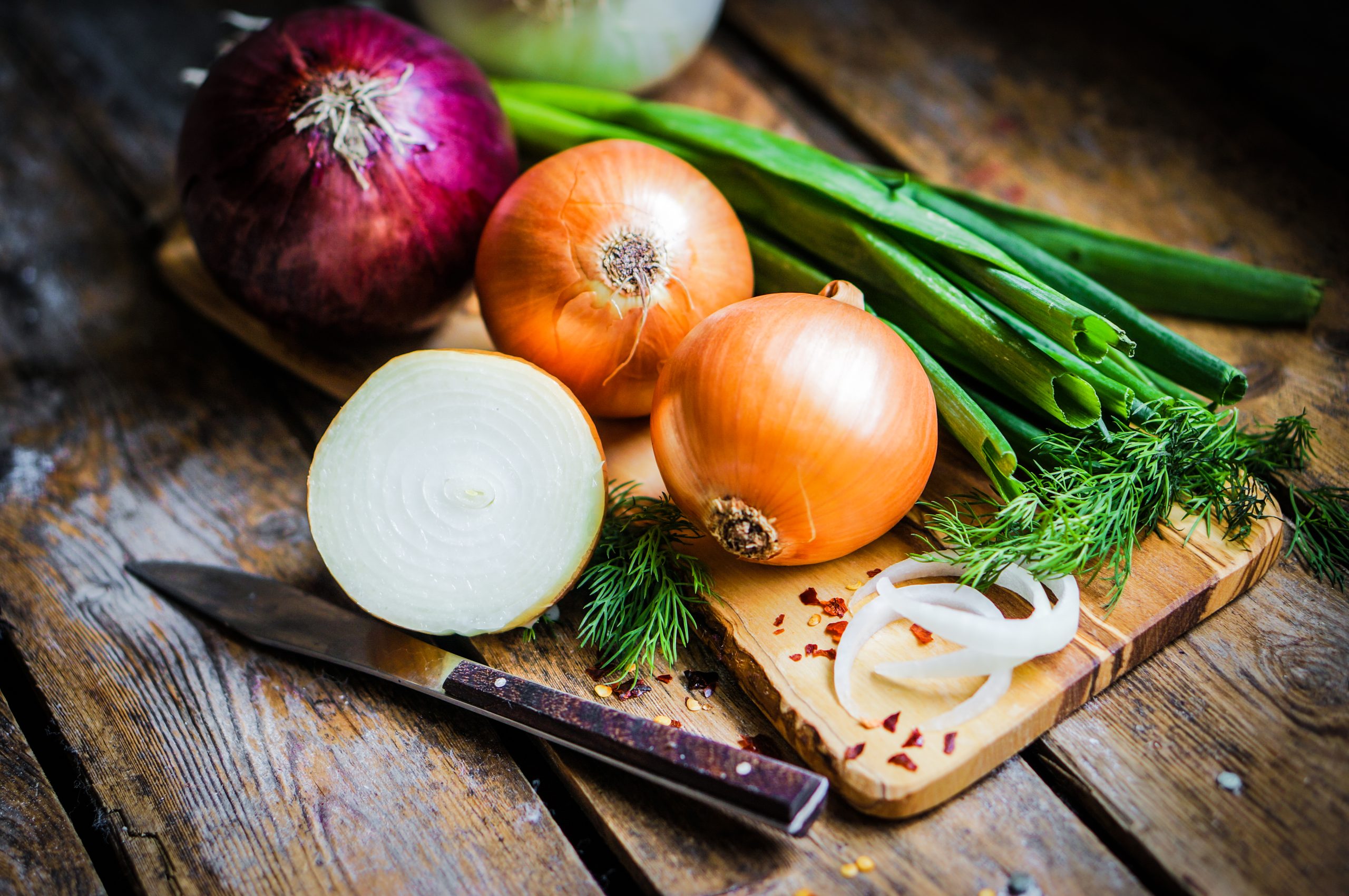
Did you know that Egyptians buried their rulers (pharaoh) with onions, while Greeks ate onions before competing in the Olympics?
What Are Onions?
Onion is a plant with an edible bulb, and it is widely used worldwide in cooking in a pattern similar to garlic. Onion is used in cooking due to its distinctive flavor and smell and because it enhances the flavor of foods, it adds to.
What Are The Uses Of Onions?
Onions belong to the genus Allium of floral plants, including garlic, shallots, chives, and leeks. In ancient times onions were used to treat conditions like heart disease, mouth sores, and headaches. These vegetables also contain minerals, vitamins, and potent compounds with impressive health benefits.
What Are The Wellness Benefits Of Onions?
Scientists have found many health benefits of onions, most of which are due to antioxidants. Following are some of the most important health benefits of onions.
Rich In Nutrients
Besides being rich in antioxidants, onions contain manganese, Vitamin B6, Vitamin C, biotin, and copper. One cup of onions provides one gram of protein, 7 grams of carbohydrates, 1 gram of fiber, and 3 grams of sugar. We all know the role of Vitamin C, biotin, and Vitamin B in our skin, hair, nails, and other body functions.
Improves Digestive Health
Onions improve digestive health because they contain fructooligosaccharides. These compounds act as prebiotics for gut bacteria. The small intestines cannot digest these compounds, but when they reach the large intestine, they serve as food for healthy bacteria.
Moreover, conditions such as colon cancer, diabetes, and several gastrointestinal tract diseases can reduce the number of healthy bacteria.
Improve Bone Health
Onions also protect from osteoporosis. Studies on both animals and humans have supported this benefit. One study on women close to and after menopause showed that women who regularly ate onions had high bone density. So, this result indicates that eating onion periodically is great for preventing osteoporosis in older women.
Regulate Blood Sugar
For prediabetics and diabetic patients, onions are great as they regulate blood sugar levels. A study showed that eating 100 grams of onion significantly reduced blood sugar levels. Multiple animal studies have also confirmed the blood sugar-regulating role of onions.
Compounds such as quercetin and Sulphur compounds in onion possess Anti Diabetic properties. For example, quercetin interacts with skeleton muscles, the small intestine, the liver, and fat issues throughout the body and control blood sugar level.
Why Onions is Great for Middle-Aged Men?
1. Anti-inflammatory Properties (Emerging Research): Emerging research suggests that onions may possess some anti-inflammatory properties. Chronic inflammation has been linked to various age-related health concerns in men, such as heart disease and arthritis. While more studies are required, onions might be a dietary tool to help manage inflammation.
2. Potential Prebiotic Benefits (Early Research): Early research suggests that onions may act as prebiotics, promoting the growth of good bacteria in the gut. A healthy gut microbiome is essential for overall well-being and may play a role in immune function and digestion.
3. Source of Essential Nutrients: Onions are a good source of vitamins and minerals, including vitamin C, potassium, and manganese. These nutrients play various roles in the body, contributing to overall health.
Enjoying the Versatility of Onions:
Onions come in a variety of colors (red, yellow, white) and flavors, offering culinary versatility:
- Sauté onions for a flavorful base for soups, stews, and stir-fries.
- Grill or roast onions to bring out their natural sweetness.
- Enjoy thinly sliced raw onions on sandwiches or salads for a refreshing bite.
- Caramelized onions add a touch of richness to various dishes.
Choosing Onions:
- Select firm onions with dry, papery skin.
- Opt for medium-sized onions for a balance of flavor and texture.
- Store onions in a cool, dry, and well-ventilated place.
Conclusion
Onions are a delicious and readily available vegetable that offers potential heart-health benefits, anti-inflammatory properties, and essential nutrients. They can be easily incorporated into various dishes, adding flavor and a range of potential health advantages. Remember, a healthy lifestyle with balanced meals, regular exercise, and stress management practices are key to overall well-being. So, embrace the culinary delights and potential health benefits of the humble onion!


