
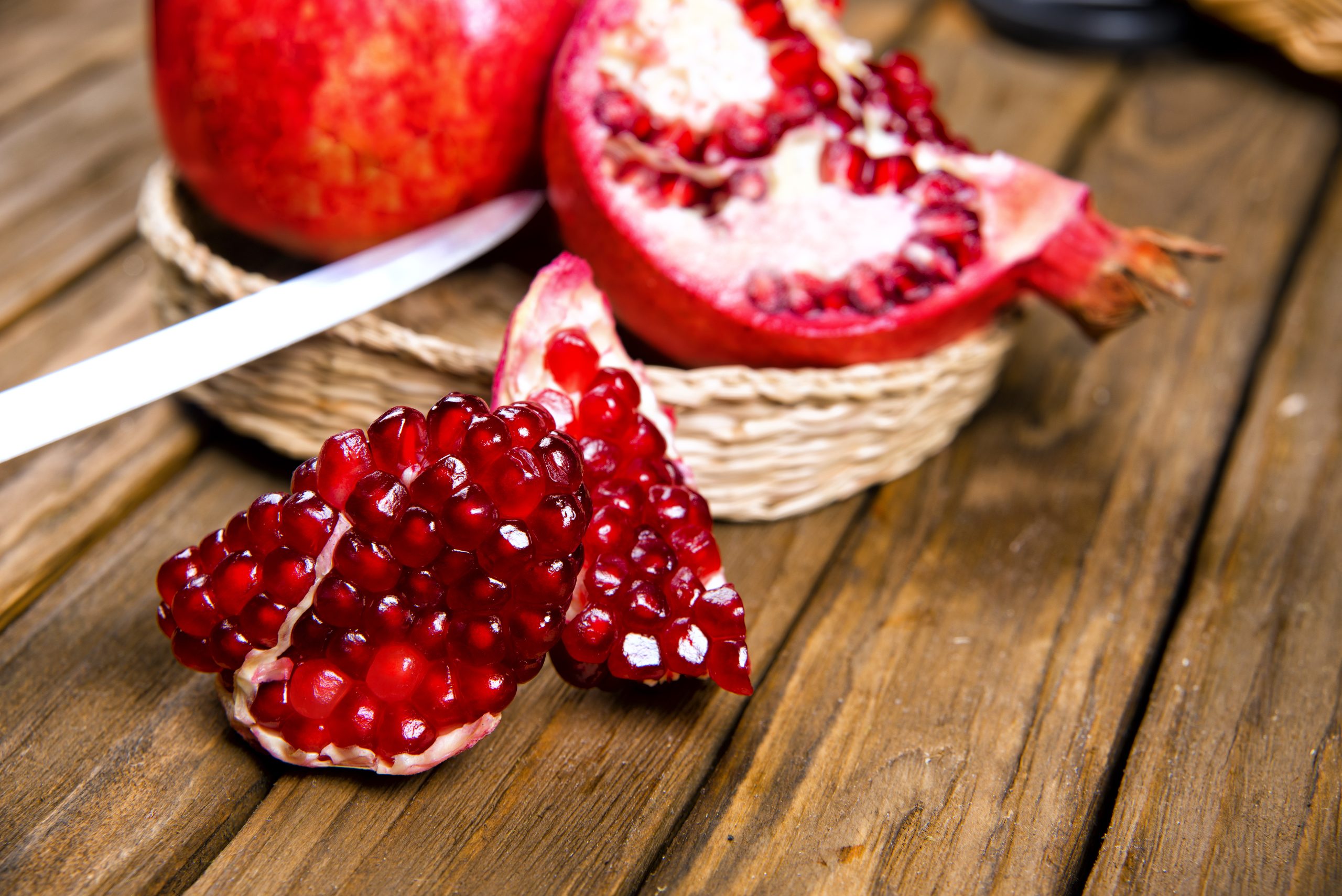
What Are Pomegranates?
The word pomegranate comes from Latin meaning Apple with seeds. Pomegranates have been in use for thousands of years due to their health benefits in medicine and also in various dishes. Ancient Egyptians buried pomegranates with the dead because they believed that the fruit will help in the passage of the dead to the afterlife. Some scholars believe that in the garden of Eden, Adam and eve ate a pomegranate and not an apple.
What Are The Uses Of Pomegranates?
They are native from Iran to Afghanistan and Pakistan to Northern India. Pomegranates belong to the Berry family. The trees grow in dry and hot climates. One pomegranate tree can live up to 200 years and one pomegranate from a tree contains more than 1000 seeds. Pomegranates are believed to be heavenly fruits because their root, stem, leaves, and skins are rich in nutrients and are one of the fruits that can provide you with the most variety of vitamins and minerals.
Pomegranate contains three times more antioxidants than green tea and red wine. Antioxidants are compounds that protect the body against free radical damage, inflammation, and aging. The Other health benefits of pomegranates are described below:
What Are The Health Benefits Of Pomegranates?
Heart health:
The buildup of cholesterol in arteries leads to a heart disease known as “Atherosclerosis”. Eating pomegranates reduce the level of low-density lipoproteins also known as “bad cholesterol” that are the cause of blockage in the arteries. They also increase the level of high-density lipoproteins which are known as “good cholesterol”. Pomegranates also keep the heart healthy by lowering blood pressure and keeping blood sugar levels in check.
Antioxidants:
Free radicals are reactive oxygen species that are always found in your body. But they become dangerous when their level rises above a certain limit and antioxidants are compounds that protect the body from the damage of these free radicals. Pomegranates are loaded with antioxidants and polyphenolic compounds that protect the body from free radical damage. The most common antioxidants in pomegranates are punicalagin, anthocyanin, and tannins.
Reduce inflammation:
Acute inflammation is a normal reaction of the body in response to infection and injury but if left untreated chronic inflammation can lead to various diseases including cancer, Alzheimer’s disease, and heart disease. Pomegranates may help protect the body from long-term inflammation and reduce the risk of other chronic diseases. Test tube and animal studies have shown that the punicalagin compound present in pomegranates has anti-inflammatory properties along with antioxidant properties. Some human studies also suggested that pomegranate juice reduces the inflammation markers in the body. Thus, pomegranates protect the body from the effects of chronic inflammation
Urinary health:
Pomegranates support urinary health by reducing the formation of kidney stones. In one study carried out on humans, it was found that the experimental group which was given 1000mg of pomegranate extract for 90 days had reduced the formation of kidney stones.
Animal studies show that pomegranates also help eliminate excess oxalate, calcium, and phosphates from the body which are common causes of kidney stones.
Why Pomegranates is Great for Middle-Age Men?
Enjoying the Versatility of Pomegranates: While the arils (seeds) can be enjoyed on their own, pomegranates offer culinary versatility:
- Fresh arils: Add them to salads, yogurt parfaits, or oatmeal for a burst of sweetness and a nutritional boost.
- Pomegranate juice: Enjoy it diluted with water or other juices for a refreshing and antioxidant-rich beverage.
- Pomegranate molasses: This thick syrup adds a sweet and tangy touch to marinades, glazes, and dressings.
Choosing and Storing Pomegranates:
- Select pomegranates that are heavy for their size with firm, smooth skin. Avoid those with blemishes or soft spots.
- Store pomegranates at room temperature for up to a week. Once cut open, store arils in an airtight container in the refrigerator for up to 3 days.
Conclusion
Pomegranates are a delicious and antioxidant-rich fruit with potential heart-health benefits and anti-inflammatory properties. They offer versatility in the kitchen, adding a touch of sweetness and a potential health boost to various dishes. Remember, a healthy lifestyle with balanced meals, regular exercise, and stress management practices are key to overall well-being. So, explore the jewel-toned power of pomegranates and enjoy their taste and potential health benefits!


