
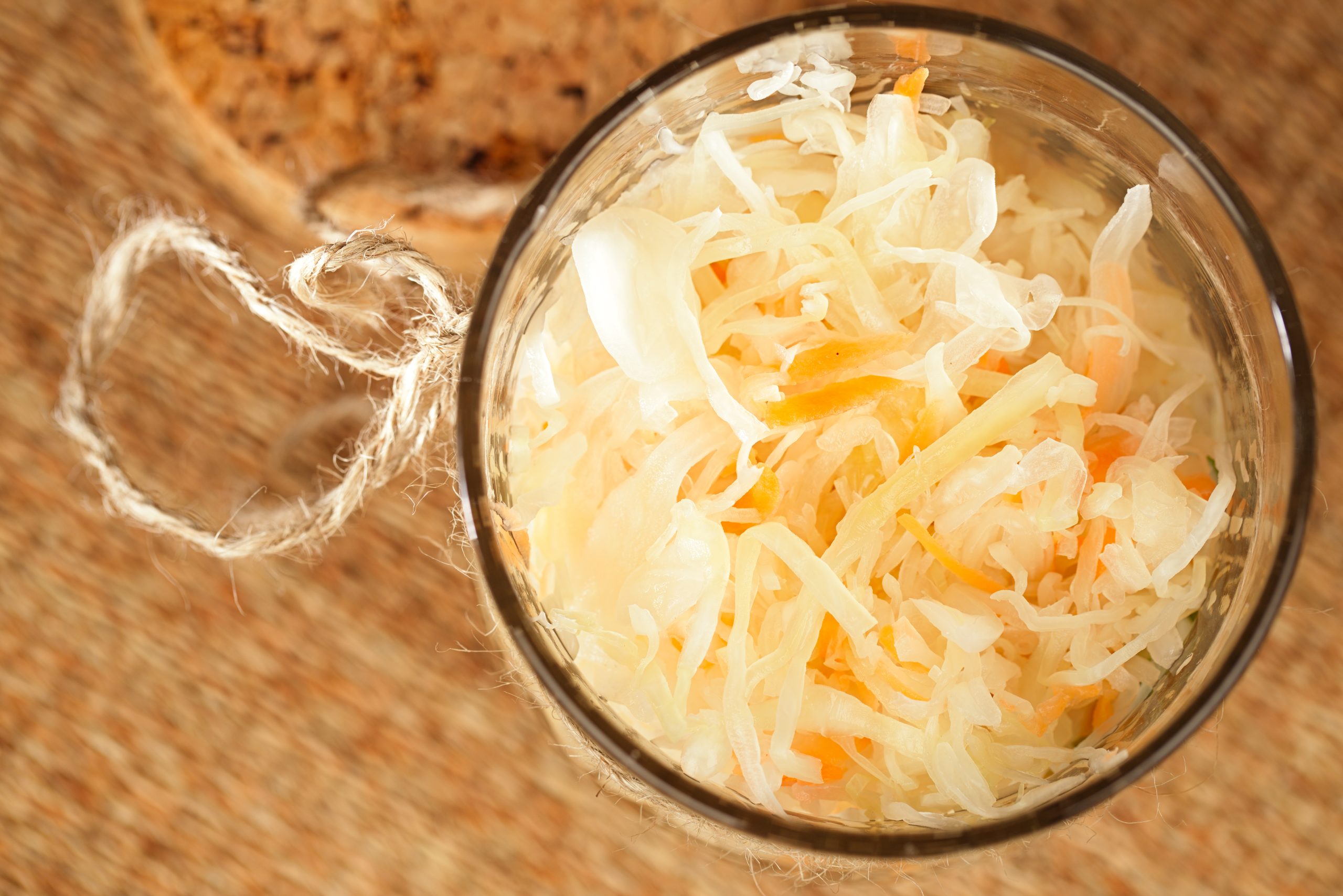
Did you know that sauerkraut is one of the oldest and healthiest fermented vegetables? It is a traditional food that has been a part of European cuisine for centuries. Sauerkraut is made by fermenting cabbage with salt, and it has a distinct tangy flavor and aroma. Not only does it add a unique flavor to your meals, but it also offers numerous health benefits. Here are some interesting facts about sauerkraut and its benefits.
What Is Sauerkraut?
Sauerkraut is easy to make at home. All you need is cabbage, salt, and a jar or crock to ferment it in. You can customize the flavor by adding spices or other vegetables, such as carrots, onions, or garlic. Homemade sauerkraut is cheaper and fresher than store-bought varieties, and you can adjust the fermentation time to your liking.
How Is Sauerkraut Used?
Sauerkraut is a versatile ingredient that can be used in a variety of dishes. It adds a tangy flavor and crunch to sandwiches, hot dogs, and burgers. You can also use it as a topping for salads, tacos, and grain bowls. Sauerkraut can be used as a side dish for meats, potatoes, or eggs. It can also be used as an ingredient in soups, stews, and casseroles.
What Are The Wellness Benefits Of Sauerkraut?
Sauerkraut is a powerhouse of nutrients. It is low in calories but high in fiber, vitamins, and minerals. It is an excellent source of vitamin C, vitamin K, and vitamin B6. Sauerkraut is also high in iron, calcium, and potassium. The fermentation process increases the bioavailability of nutrients, making it easier for your body to absorb and utilize them.
Sauerkraut is rich in probiotics, which are beneficial bacteria that promote gut health. The fermentation process creates an acidic environment that favors the growth of beneficial bacteria, such as Lactobacillus and Bifidobacterium. These probiotics can improve digestion, boost the immune system, and reduce inflammation. They can also help alleviate symptoms of irritable bowel syndrome (IBS) and other digestive disorders.
Sauerkraut can help reduce the risk of certain diseases. The probiotics in sauerkraut can help reduce the risk of colon cancer by promoting healthy gut bacteria. The high levels of vitamin C in sauerkraut also act as an antioxidant, which can help prevent cellular damage and reduce the risk of chronic diseases such as cancer, heart disease, and Alzheimer’s disease.
Sauerkraut is a natural source of prebiotics, which are compounds that promote the growth of beneficial gut bacteria. Prebiotics are a type of fiber that your body cannot digest, but which provides food for the probiotics in your gut. By consuming sauerkraut, you can support the growth of beneficial bacteria and improve your gut health.
Why Sauerkraut is Great for Middle-Aged Men?
1. Probiotic Powerhouse: Sauerkraut is a rich source of probiotics, live bacteria that contribute to a healthy gut microbiome. A healthy gut microbiome is linked to better digestion, immune function, and overall health.
2. Source of Essential Nutrients: Sauerkraut offers essential nutrients, including vitamin K2, which may play a role in bone health, and vitamin C, an important antioxidant.
3. Culinary Versatility of Sauerkraut: Sauerkraut’s tangy flavor goes beyond just a hot dog topping:
- Sandwiches and Wraps: Add a tangy twist to sandwiches and wraps with sauerkraut.
- Salads: Sauerkraut adds a burst of flavor and probiotics to salads.
- Sausages and Meats: Sauerkraut is a classic accompaniment to sausages and other hearty meats.
- Soups and Stews: Sauerkraut adds a depth of flavor to soups and stews.
Choosing and Storing Sauerkraut:
- Select sauerkraut with a vibrant color and a pleasant sour smell. Avoid sauerkraut that is mushy or discolored.
- Look for sauerkraut labeled “naturally fermented” or “live cultures” for the maximum probiotic benefit.
- Refrigerated sauerkraut can last for several weeks.
Conclusion
Sauerkraut is a fermented cabbage dish packed with probiotics and essential nutrients. Its ability to support gut health makes it a great addition to a middle-aged man’s diet. Remember, a balanced diet with a focus on whole foods, regular exercise, stress management practices, and consulting with your doctor are key to digestive health and overall well-being. So, embrace fermented foods and explore the gut-boosting benefits of sauerkraut!
REFERENCES
Health Benefits
- https://www.healthline.com/nutrition/benefits-of-sauerkraut
- https://www.webmd.com/diet/health-benefits-sauerkraut
- https://joinzoe.com/learn/benefits-of-sauerkraut


