
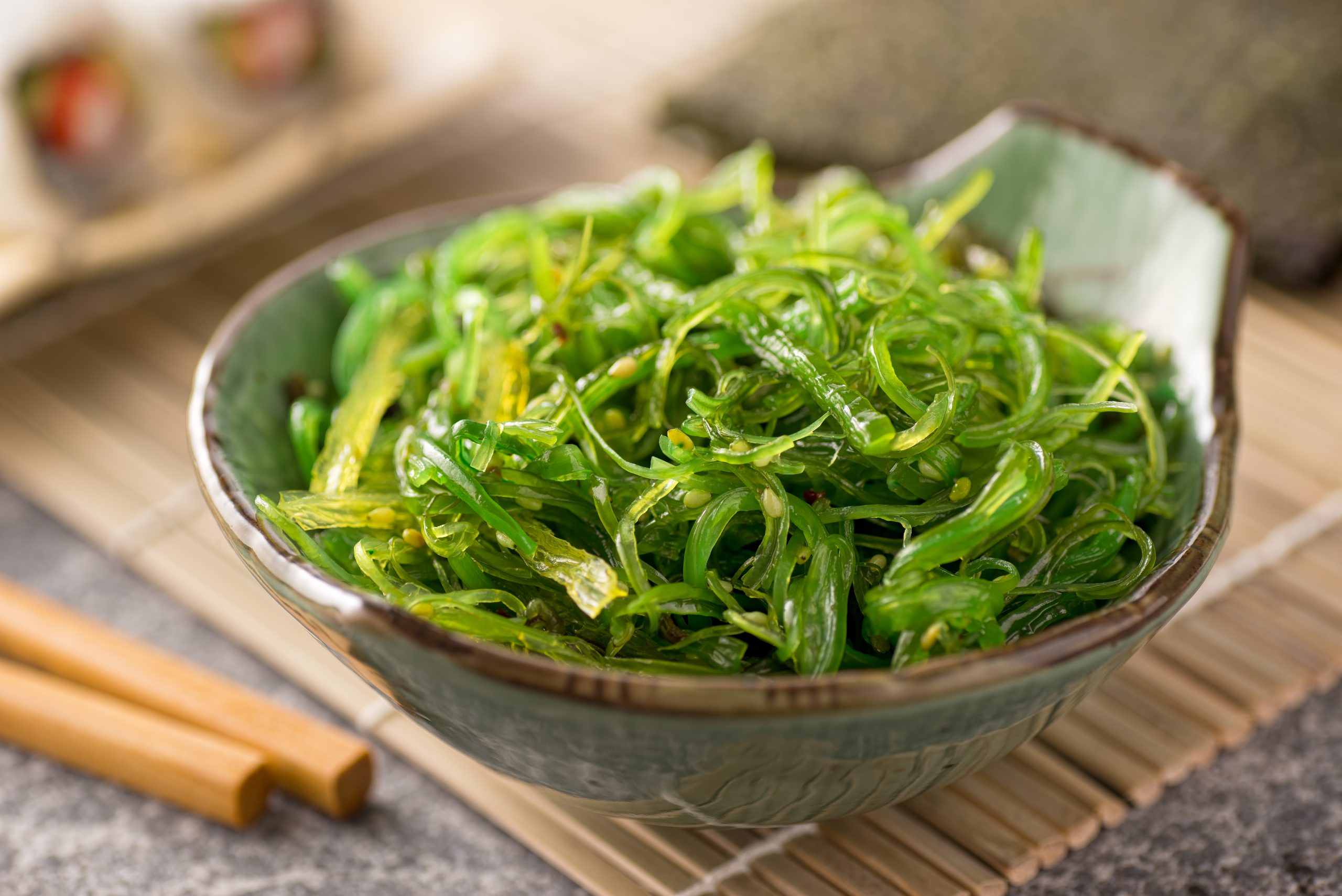
We live in an age where taking care of your health and the immune system is more important than anything else due to the increasing level of pollution and toxins. The appeal of eating natural and organic products is increasing day by day but what if I tell you there is a whole variety of healthy food that you are neglecting?
What Are Sea Greens?
They are sea greens. Sure, you have eaten some bits of seaweed wrapped around your Sushi or in your miso soup but there are a whole lot of other sea greens that you are not familiar with. These sea greens include dulse, kelp, nori, and wakame. All of these sea greens are full of nutrients and antioxidants.
The Uses Of Sea Greens?
Dulse is used in Ireland and Canada and is a Seaweed. It contains a high level of iron an element used to make thyroid hormones. Kelps are large algae that are brown. They usually grow in cool water near the coastal area.
Nori is a Seaweed that belongs to the red algae genus. It is dried in the form of sheets and used to wrap sushi and onigiri Rolls. Wakame is also a seaweed that is primarily used in Japan and Korea.
Having a distinct flavor and in addition to being used in soups and salads, it is low in calories and high in other essential nutrients. All these kinds of seafood have numerous health benefits, such as:
What Are The Wellness Benefits Of Sea Greens?
High iodine content:
Iodine is an important element that helps in the synthesis of thyroid hormones. The thyroid hormone plays important role in many body functions like growth metabolism salary Pier repair and Protein synthesis. Wakame is rich in iodine. People who suffer from iodine deficiency should add wakame to their weekly diet plan. A deficiency of iron causes hypothyroidism which results in fatigue weight gain hair loss and flaky, dry skin. Another excellent seaweed that contains iodine besides wakame is nori. Adding nori three times every week can reduce the risk of iron deficiency.
Reduce blood pressure:
In today’s age stress is very common among young people and excessive stress leads to hypertension which then leads to a lot of other diseases. Research showed that wakame reduces blood pressure and prevents heart conditions.
Antioxidant:
Kelp Seaweed is high in flavonoids and carotenoids that protect the body from free radical damage. It also contains minerals such as zinc and magnesium that also helps in fighting oxidative stress and free radical damage.
Weight loss:
Kelp contains a fiber called alginate. Research has suggested that alginate stops the body from absorbing fat. Alginate blocks the action of the enzyme known as lipase which digests the fats and prevents fat absorption into the body. It is also used in weight-loss beverages, products, and ice creams.
Why Sea Greens is Great for Middle-Aged Men?
1. Packed with Essential Minerals: Sea greens are a natural source of iodine, which is crucial for thyroid function and metabolism. They are also rich in minerals like iron, calcium, and magnesium, all of which play important roles in overall health.
2. Potential Heart Health Benefits: Some studies suggest that sea greens may help lower blood pressure and improve cholesterol levels, contributing to better cardiovascular health. This potential benefit is attributed to their content of omega-3 fatty acids and antioxidants.
3. Culinary Versatility of Sea Greens: Sea greens are more than just a fad! Explore their uses in various dishes:
- Salads: Add a touch of the sea to your salad with wakame or seaweed salad.
- Soups and Stews: Kelp or dulse can add a savory depth of flavor to soups and stews.
- Snacks: Roasted seaweed snacks offer a satisfying and healthy crunch.
Choosing and Storing Sea Greens:
- Select sea greens that are fresh and vibrant in color. Avoid packages with a strong fishy odor or discoloration.
- Dried sea greens can be stored in an airtight container in a cool, dark cupboard for up to a year. Once opened, consume them within a few months.
Conclusion
Sea greens offer a unique and potentially beneficial addition to your diet. They are packed with essential minerals and may contribute to better heart health. Leafy greens, on the other hand, provide a foundation of essential vitamins and fiber for overall well-being. Remember, a balanced diet with a focus on whole foods, regular exercise, stress management practices, and consulting with your doctor are key to maintaining a healthy heart, optimal nutrient intake, and overall well-being. So, explore the world of the ocean and leafy greens and discover ways to incorporate them into your routine for a potentially vibrant and healthy middle age!
REFERENCES
- https://www.healthline.com/health/food-nutrition/benefits-of-kelp#disease-prevention
- https://www.healthline.com/nutrition/wakame#TOC_TITLE_HDR_6
- https://www.besthealthmag.ca/article/nori-health-benefits/
- https://www.researchgate.net/publication/7904553_Extracts_from_dulse_Palmaria_palmata_are_effective_antioxidants_and_inhibitors_of_cell_proliferation_in_vitro


