
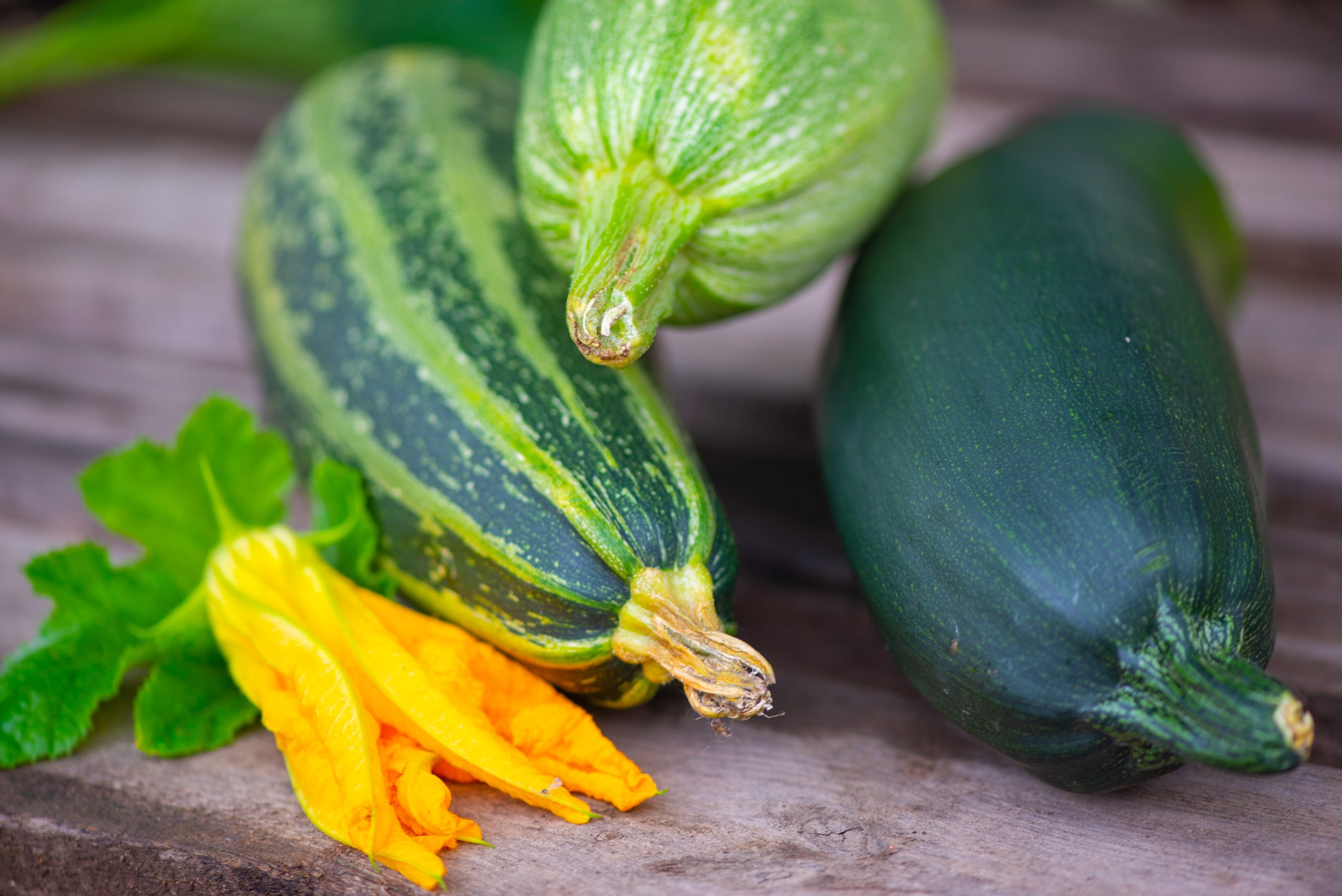
Looking for a comforting food staple loaded with nutrition and health benefits? Incorporate squash right away into your diet. Squash is a versatile vegetable that can be used in many dishes. It is packed with vitamins, minerals, and antioxidants, making it a great choice for anyone looking to improve their health. Not only is squash low in calories and fat, but it also has anti-cancer properties, which makes it an ideal addition to a balanced diet.
What Is Squash?
Squash is a group of many cultivars of the plant genus Cucurbita, including five edible species. Squash can be broadly categorized into summer squash and winter squash, depending on when they are harvested and consumed. Summer squash, such as zucchini, globe squash, and pattypan, are harvested while immature and have thin, edible skins. Winter squash, such as butternut, acorn, spaghetti, kabocha, and pumpkin, are harvested at maturity when their rinds harden.
How Is Squash Used?
Squash is one of the most popular vegetables in the world and is a staple in many different cultures. It can be prepared in a variety of ways, such as steamed, boiled, roasted, grilled, baked, and sautéed. Squash is often used in salads, soups, stews, casseroles, pasta dishes, omelets, side dishes, and more. It is also a great addition to any stir fry or vegetable medley.
The most commonly used squash in the United States is butternut squash, acorn squash, spaghetti squash, and pumpkin. The bright orange flesh of butternut squash is sweet and nutty and it can be used in a variety of dishes. Acorn squash has dark green skin with deep ridges and sweet yellow-orange flesh. Spaghetti squash has a mild flavor and contains thin strands of flesh that resemble spaghetti when cooked. Pumpkin is an incredibly versatile ingredient that can be used in savory dishes as well as desserts.
What Are The Wellness Benefits Of Squash?
Studies have found that consuming squash can improve your overall health and provide many health benefits.
Eye Health: Squash contains beta-carotene and lutein, which are powerful antioxidants that can help protect your eyes from damage caused by free radicals and ultraviolet (UV) light exposure. Additionally, squash is also rich in vitamin A, which helps to reduce your risk of developing cataracts.
Heart Health: Squash is a great source of potassium, which can also help to improve heart health by promoting healthy blood flow and preventing blood clots. Additionally, squash is also a good source of fiber, which can help to reduce your risk of developing heart disease.
Digestion: Squash is rich in dietary fiber, which can help to improve digestion and prevent constipation. Fiber helps to keep the digestive tract healthy by increasing the number of healthy bacteria in the gut and improving bowel movements.
Diabetes: Squash is a low-glycemic food, meaning that it does not cause a large spike in blood sugar levels after consumption. Eating squash regularly can help to stabilize blood sugar levels, which is beneficial for those with diabetes or prediabetes.
Immunity: Squash contains many vitamins and minerals that can help to boost immune system function. Vitamin C, vitamin A, and zinc are all essential for maintaining a strong immune system, and all of these nutrients can be found in squash. Additionally, squash also contains antioxidants that can help to fight off free radicals, which can lead to cell damage and disease.
Why Squash is Great for Middle-Aged Men?
1. Nutrient Rich: Squash comes in a variety of shapes, sizes, and colors, but they all share a wealth of nutrients:
- Fiber: Squash is a good source of fiber, important for digestion and gut health.
- Vitamins: Different squashes offer a range of vitamins, including vitamin A (important for vision and immune function), vitamin C (an antioxidant), and B vitamins (involved in energy production).
- Minerals: Squash can be a source of potassium, essential for regulating blood pressure, and manganese, which plays a role in bone health and metabolism.
2. Versatile and Flavorful: Squash’s versatility allows it to shine in various dishes:
- Roasted: Roasting brings out the natural sweetness of squash. Enjoy it cubed as a side dish, mashed for a creamy comfort food, or stuffed with your favorite ingredients.
- Soups and stews: Add diced squash to soups and stews for a flavor and nutrient boost.
- Pasta dishes: Cubed or spiralized squash can be a healthy substitute for pasta in your favorite dishes.
- Breakfast: Butternut squash adds a unique sweetness to breakfast dishes like pancakes or waffles.
Choosing and Storing Squash:
- Select squash with firm skin and a heavy feel for its size. Avoid squash with blemishes or soft spots.
- Winter squash like butternut or acorn can be stored in a cool, dark place for several weeks. Summer squash like zucchini is best stored in the refrigerator for up to a week.
Conclusion
Squash is a delicious and nutritious addition to any diet. Packed with fiber, vitamins, and minerals, it offers a range of benefits for middle-aged men. Its versatility allows for incorporation into various dishes, making it a fun way to explore healthy and flavorful options. Remember, a balanced diet with a focus on whole foods, regular exercise, and stress management practices are key to overall well-being. So, embrace the squash and add a burst of color and flavor to your path to a healthier you!
REFERENCES
Health Benefits
- https://www.sciencedirect.com/science/article/pii/S0254629919316722#fig0001
- https://www.sciencedirect.com/science/article/pii/B9780128127803000143
- https://www.scielo.br/j/cta/a/65XCHM4LhwWKQLqmZLCFCwq/?format=html&lang=en
- https://www.webmd.com/diet/health-benefits-squash
- https://www.betterhealth.vic.gov.au/health/healthyliving/squash-health-benefits
- https://www.ncbi.nlm.nih.gov/pmc/articles/PMC4588743/
- https://pubmed.ncbi.nlm.nih.gov/11594942/
- https://pubmed.ncbi.nlm.nih.gov/27377091/
Anti-cancer
- https://www.ncbi.nlm.nih.gov/pmc/articles/PMC7221643/
- https://www.aicr.org/cancer-prevention/food-facts/squash-winter/#:~:text=The%20Cancer%20Research,lower%20risk%20of%20overall%20cancer
- https://www.webmd.com/food-recipes/butternut-squash-health-benefits#:~:text=Butternut%20squash%20is%20high%20in,fiber%20helps%20with%20blood%20sugar.
- https://www.helpguide.org/articles/diets/cancer-prevention-diet.htm
- https://www.nature.com/articles/srep06161
- https://pubmed.ncbi.nlm.nih.gov/28708122/


