
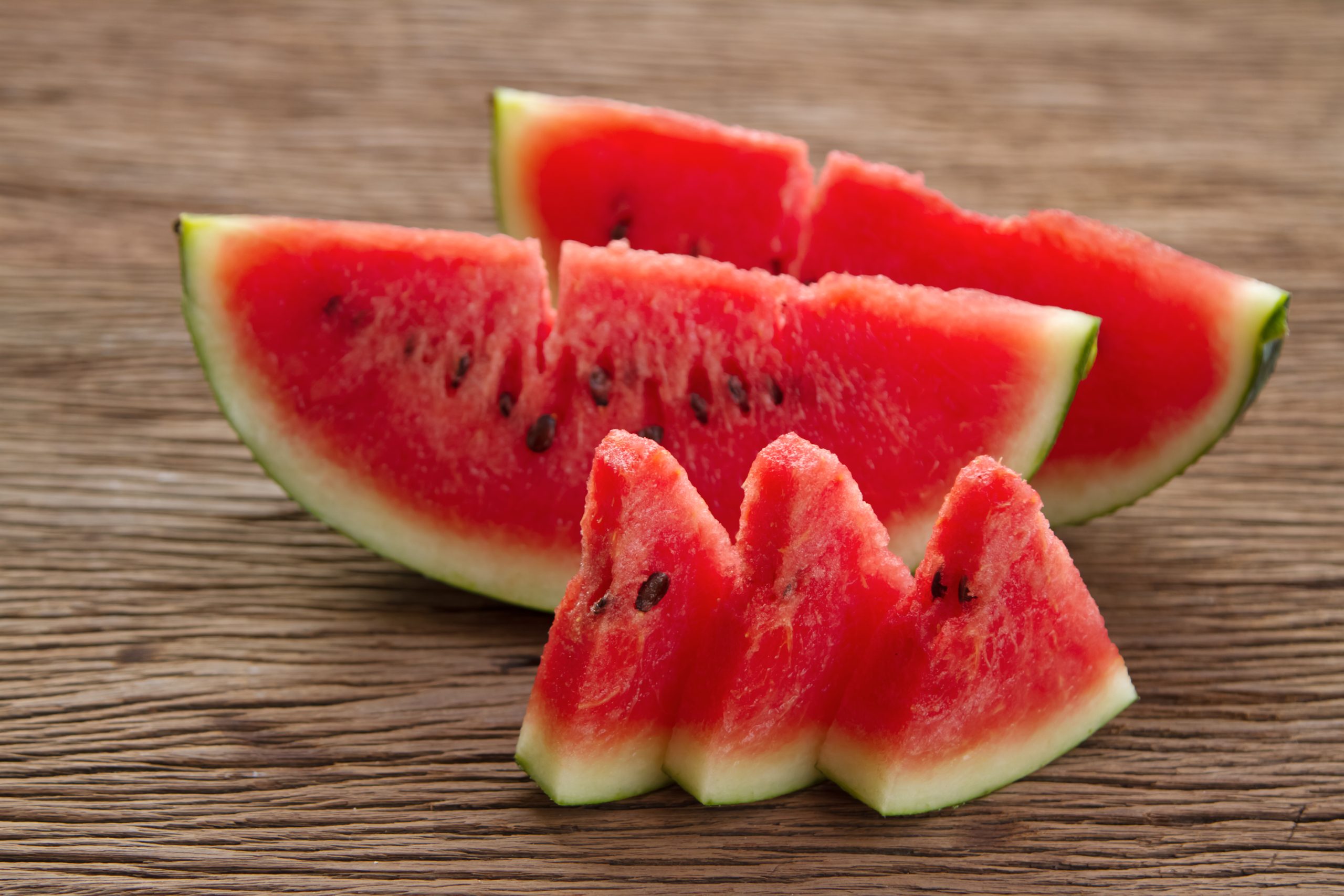
Did you know watermelon was domesticated for the first time in Northeast Africa over 4,000 years ago? Its sweetness and juiciness make it a perfect summertime refreshment to quench your thirst.
What Is Watermelon?
Citrullus lanatus, more commonly known as the watermelon, is a flowering plant. Watermelons are members of the Cucurbitaceae family, including cantaloupe, honeydew, and cucumber.
It is a scrambling, trailing vine-like plant with more than 1,000 varieties of fruit. Seeded, seedless, icebox, picnic, and yellow/orange-fleshed watermelons are the most famous varieties.
Watermelon is refreshing, high in water and minerals, and has fewer calories.
What Are The Uses Of Watermelon?
Watermelon is mostly consumed fresh, made into juice, or added to smoothies. It can also be used in cocktails.
The fruit’s rind is edible after being cooked and can also be pickled.
Watermelon contains about 90% water, which is perfect for staying hydrated during the summer. With its natural sugars, it can also serve one’s sweet tooth.
What Are The Wellness Benefits Of Watermelon?
Watermelon and its juice have numerous health benefits. Citrulline, an amino acid, and lycopene, an antioxidant that plays significant roles in your body, are present in reasonable quantities in this food. It is also high in A and C vitamins.
Watermelon may lower insulin resistance and blood pressure in some persons. In addition, it may also reduce post-exercise muscle soreness.
Watermelon has low-calorie content and can help with weight management since it keeps you full longer.
Why Watermelon is Great for Middle-Aged Men?
1. Nature’s Hydrator: Watermelon is about 92% water, making it a fantastic way to stay hydrated, especially during hot weather or exercise.
2. Potent Antioxidant (Lycopene): Watermelon is rich in lycopene, a powerful antioxidant that can help protect cells from damage.
3. Potential Heart-Healthy Benefits (Early Research): Early research suggests that lycopene may also offer some heart-protective benefits. However, more studies are needed to confirm these potential advantages.
4. Essential Vitamins and Minerals: Watermelon offers a good dose of vitamins and minerals, including vitamins A and C, and the mineral potassium.
5. Culinary Versatility of Watermelon: Watermelon’s refreshing sweetness goes beyond just a simple slice:
- Salads: Add diced watermelon to salads for a burst of flavor and hydration.
- Gazpacho: Watermelon is a key ingredient in chilled gazpacho soup, perfect for a hot summer day.
- Grilled Watermelon: Grilling watermelon slices adds a smoky sweetness, perfect as a side dish or appetizer.
- Smoothies and Juices: Watermelon chunks can be blended into refreshing smoothies or juices.
Choosing and Storing Watermelon:
- Select a watermelon that feels heavy for its size and has a yellow spot on the underside where it rested on the ground.
- A ripe watermelon will have a slightly hollow sound when thumped.
- Store whole, uncut watermelon at room temperature for up to a week. Cut watermelon should be stored in the refrigerator for up to 3-5 days.
Conclusion
Watermelon is a refreshing and hydrating treat loaded with essential nutrients and potential health benefits. Its versatility allows for incorporation into various dishes, making it a delicious way to stay hydrated and support your overall well-being. Remember, a balanced diet with a focus on whole foods, regular exercise, stress management practices, and consulting with your doctor are key to a healthy middle age. So, grab a slice of watermelon and quench your thirst for a healthier you!
REFERENCES
- https://www.ncbi.nlm.nih.gov/pmc/articles/PMC4512189/
- https://www.ncbi.nlm.nih.gov/pmc/articles/PMC4464475/
Health Benefits
- https://pubmed.ncbi.nlm.nih.gov/20616787/
- https://www.healthline.com/nutrition/watermelon-health-benefits#TOC_TITLE_HDR_2
- https://pubmed.ncbi.nlm.nih.gov/16772327/
- https://www.ncbi.nlm.nih.gov/pubmed/23862566
- https://www.ncbi.nlm.nih.gov/pmc/articles/PMC6054218/
Anti-Cancer


