
Have you ever heard that Samurai Warriors drink matcha before battles? Yes, it’s true! Buddhist warriors introduced Samurai warriors to Matcha in the 13th century as a pre-battle beverage to give them more stamina and endurance for long-lasting battles.
What Is Matcha?
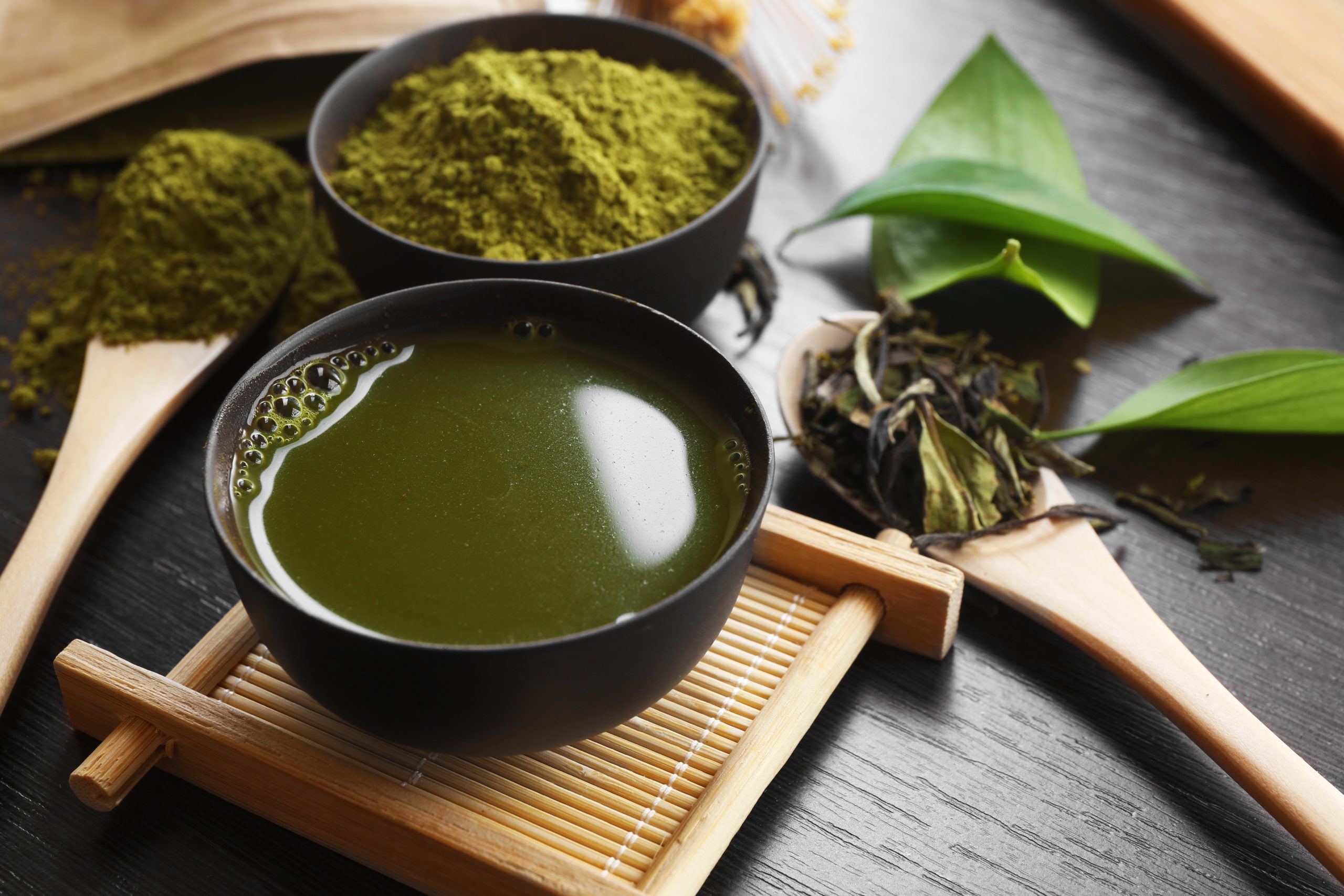
Matcha is a green tea powder that comes from “Camellia sinensis” plant leaves that have been grown and processed in a specific way and have a unique nutrient profile.
Farmers cultivate matcha by shielding their tea plants from direct sunlight 20–30 days before harvesting. This enhances chlorophyll production, increases the plant’s amino acid content, and darkens its green color.
Lastly, after the tea leaves have been picked, they are processed into a fine powder called matcha by removing the veins and stems.
How is Matcha Used?
East Asians have been using it for a long time. The traditional way of preparing matcha is by using a bamboo whisk to prepare a Hot Matcha tea in Japanese tea festivities. It’s drunk from a matcha bowl after being whisked in hot water. Matcha is typically served with a sweet accompaniment to offset any bitterness in the tea.
Matcha is also a famous flavoring agent in Western chocolates, candies, desserts, baking, lattes, shots, and smoothies. Additionally, matcha often plays a role as a natural food dye for icings, batters, and glazes.
What Are the Wellness Benefits Of Matcha?
Studies on matcha and its constituents have uncovered various health benefits, such as its ability to protect the liver, support heart health, and aid weight loss.
Drinking Matcha regularly can help improve heart health by decreasing cholesterol levels and reducing inflammation. It also boosts the immune system and can even help to reduce symptoms of anxiety and depression.
Matcha may help enhance focus, memory, and response time. Moreover, matcha contains L-theanine and caffeine, which can enhance numerous aspects of brain function.
Matcha is an excellent source of antioxidants, which can protect against oxidative damage caused by free radicals in the body. According to one study, supplementing mice with matcha reduced free radical damage and increased antioxidant activity.
The catechins found in Matcha tea may help reduce the risk of cancer, and traditional Chinese and Japanese medicine has been using it for centuries.
Why Green Tea and Matcha is Great For Middle-Aged?
1. Packed with Antioxidants: Green tea and matcha are rich sources of antioxidants, particularly epigallocatechin gallate (EGCG), which may help protect cells from damage and fight inflammation.
2. Potential Cognitive Benefits (Emerging Research): Emerging research suggests that green tea and matcha may positively impact cognitive function, memory, and focus. Theanine, another compound found in green tea, may work synergistically with caffeine to promote alertness and concentration.
3. May Aid Heart Health (Early Research): Early research suggests that green tea and matcha may contribute to heart health by potentially lowering LDL (“bad”) cholesterol levels and blood pressure. However, more studies are needed to confirm these benefits.
4. Potential Weight Management Support (Early Findings): Early findings suggest that green tea and matcha may promote feelings of fullness and boost metabolism, potentially aiding in weight management efforts. However, more research is required to fully understand these effects.
5. Potential Mood Benefits (Limited Research): Limited research suggests that green tea and matcha may have some mood-boosting properties. Theanine, along with its calming effect, may also promote relaxation and stress reduction.
It’s important to note:
- Green tea and matcha may contain moderate amounts of caffeine. Be mindful of your caffeine intake and avoid consuming them close to bedtime if you have trouble sleeping.
- Consult your doctor before consuming green tea or matcha, especially if you have any underlying health conditions or are taking medication.
Enjoying Green Tea and Matcha:
Green tea and matcha offer a variety of ways to incorporate them into your diet:
- Green Tea: Brew loose leaf green tea or enjoy green tea bags for a hot beverage. Chilling brewed green tea creates a refreshing iced tea.
- Matcha: Whisk matcha powder with hot water for a traditional matcha tea. Matcha can also be added to smoothies, yogurt parfaits, or baked goods for a vibrant green twist.
Conclusion
Green tea and matcha are more than just delicious beverages. They are packed with potential health benefits for middle-aged men, from cognitive support and heart health to weight management and mood. Remember, a balanced diet, regular exercise, and stress management practices are key to overall well-being. Explore the world of green tea and matcha and experience their potential advantages alongside a healthy lifestyle.
REFERENCES
Health Benefits
- https://www.ncbi.nlm.nih.gov/pubmed/19735169
- https://www.ncbi.nlm.nih.gov/pubmed/28784536
- https://pubmed.ncbi.nlm.nih.gov/15723227/
- https://www.ncbi.nlm.nih.gov/pubmed/25761837
- https://pubmed.ncbi.nlm.nih.gov/11470725/
- https://pubmed.ncbi.nlm.nih.gov/19597519/
- https://pubmed.ncbi.nlm.nih.gov/26448271/


