
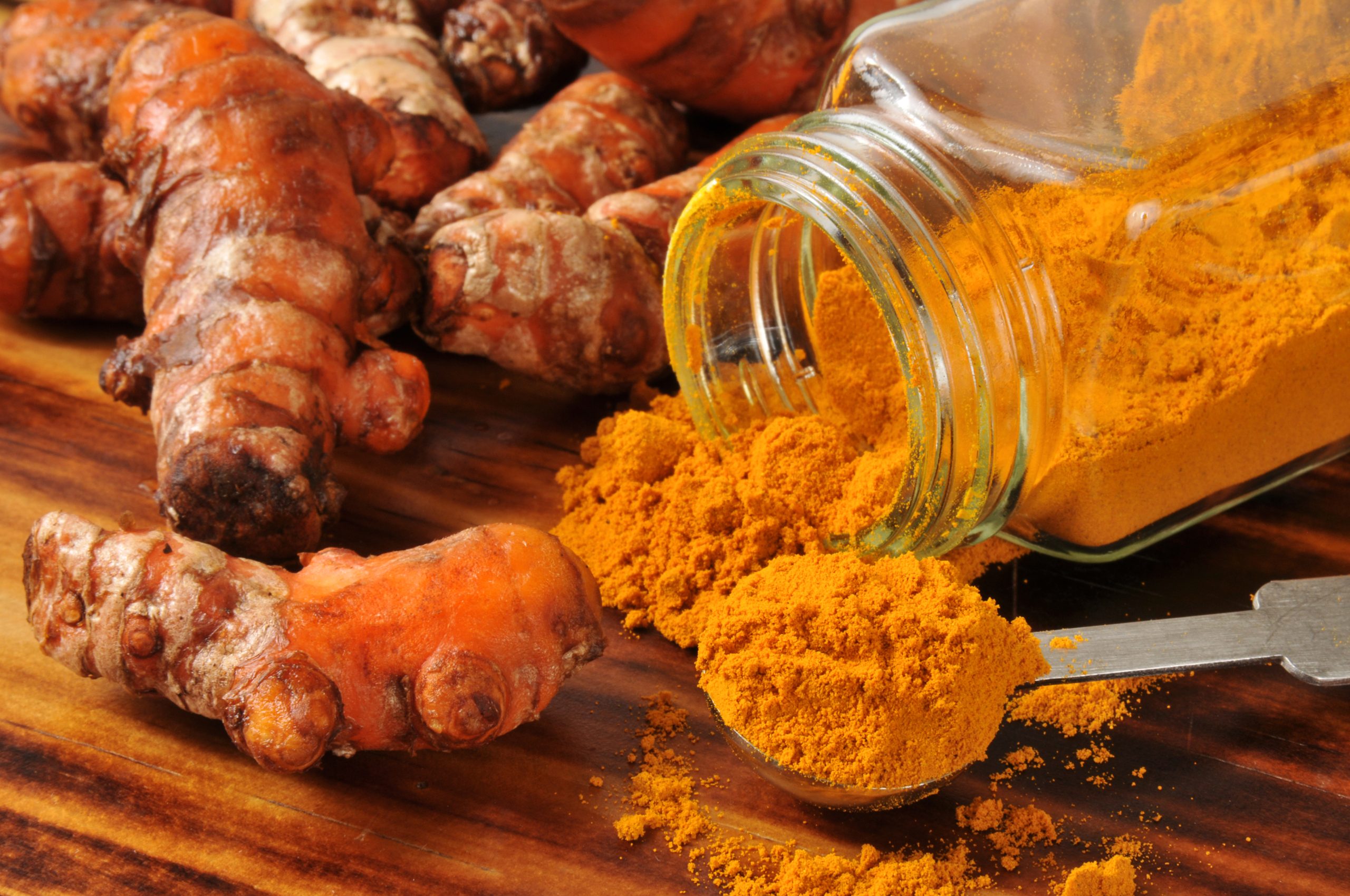
Have you ever wondered what gives curry dishes their beautiful bright yellow color? The answer lies in turmeric, the spice that offers traditional Indian curry its famous color and distinct fragrance. Even less well-known are the health benefits of turmeric – especially for middle-aged men.
Not only is this golden-orange root packed with antioxidants and anti-inflammatory properties, but its healing powers have been used since ancient times as traditional medicine for fighting ailments from colds and coughs to arthritis.
What Is Turmeric?
Turmeric is a spice that comes from the root of the Curcuma longa plant. This flowering plant is a member of the Zingiberaceae family and is also known as the golden spice or Indian saffron. It contains an active ingredient, curcumin, which is responsible for many of its medicinal properties.
Additionally, turmeric is rich in vitamins and minerals, such as potassium, magnesium, and iron. Native to India, turmeric is produced extensively in Southeast Asia, Oceania, and Western Africa.
How Is Turmeric Used?
For thousands of years, India has used turmeric as a primary food spice and medicinal herb for treating various diseases. Today, turmeric is a part of everyday life. It is a primary ingredient in multiple products, including food, beverages, supplements, and cosmetics.
Wellness Benefits of Turmeric
Turmeric offers several health benefits, thanks to its active compounds. Curcumin is the most well-known of these compounds and can help relieve menstrual cramps, reduce inflammation, treat or prevent type 2 diabetes, ease joint pain, and combat depression.
Studies have shown that turmeric helps improve brain function, lower cholesterol levels, and support heart health. Its anti-inflammatory and antioxidant effects can also help protect against various ailments and diseases, such as cancer, diabetes, Alzheimer’s disease, depression, arthritis, and allergies.
Moreover, various studies have shown that curcumin can prevent and treat infections like the flu and herpes. It also helps in treating skin-related diseases and slowing down aging.
Why Turmeric is Great for Middle-Aged Men
- Curcumin Powerhouse: Turmeric’s vibrant yellow color comes from curcumin, a bioactive compound with anti-inflammatory properties. Chronic inflammation can be linked to various health concerns.
- Potential Cognitive Support (Emerging Research): Emerging research suggests that curcumin might support cognitive function. However, more studies are needed to fully understand these potential benefits.
- Heart-Healthy Potential (Early Research): Early research suggests that curcumin may have heart-protective properties. More studies are needed to confirm these potential benefits.
- Culinary Versatility of Turmeric: Turmeric adds a warm, earthy flavor and beautiful color to various dishes:
- Curries: Turmeric is a key ingredient in Indian curries, adding both flavor and color.
- Eggs: Add a pinch of turmeric to scrambled eggs for a vibrant breakfast option.
- Vegetables: Roast vegetables like cauliflower or broccoli with turmeric for a flavorful side dish.
- Golden Milk: A popular drink made with turmeric, milk (dairy or non-dairy), and other spices like ginger and cinnamon.
Choosing and Using Turmeric
Fresh turmeric root is available, but ground turmeric is more commonly used. Select a brand with a vibrant yellow color for freshness. Turmeric has low bioavailability, meaning the body doesn’t absorb it easily. Pair it with black pepper, which contains piperine, a compound that can enhance curcumin absorption.
Conclusion
Turmeric offers vibrant color, potential health benefits, and endless culinary possibilities. While research is ongoing, its anti-inflammatory properties and potential for cognitive and heart health make it a promising addition to a balanced diet for middle-aged men. Remember, a focus on whole foods, regular exercise, stress management practices, and consulting with your doctor are key to overall well-being. Embrace the golden spice and add a touch of vibrancy and potential health benefits to your journey towards a healthier you!
References:
Health Benefits
- https://pubmed.ncbi.nlm.nih.gov/23832433/
- https://www.ncbi.nlm.nih.gov/pmc/articles/PMC6509173/
- https://www.ncbi.nlm.nih.gov/pubmed/22481014
- https://www.ncbi.nlm.nih.gov/pmc/articles/PMC3476912/
- https://pubmed.ncbi.nlm.nih.gov/12930003/
- https://pubmed.ncbi.nlm.nih.gov/20388102/
As Anticancer
- https://www.ncbi.nlm.nih.gov/pmc/articles/PMC6835707/
- https://ar.iiarjournals.org/content/35/2/645
- https://www.sciencedirect.com/science/article/abs/pii/S2212429218303948?via%3Dihub
- https://pubmed.ncbi.nlm.nih.gov/21372035/
- https://pubmed.ncbi.nlm.nih.gov/27325106/
- https://pubmed.ncbi.nlm.nih.gov/30725357/
- https://pubmed.ncbi.nlm.nih.gov/27354595/


