
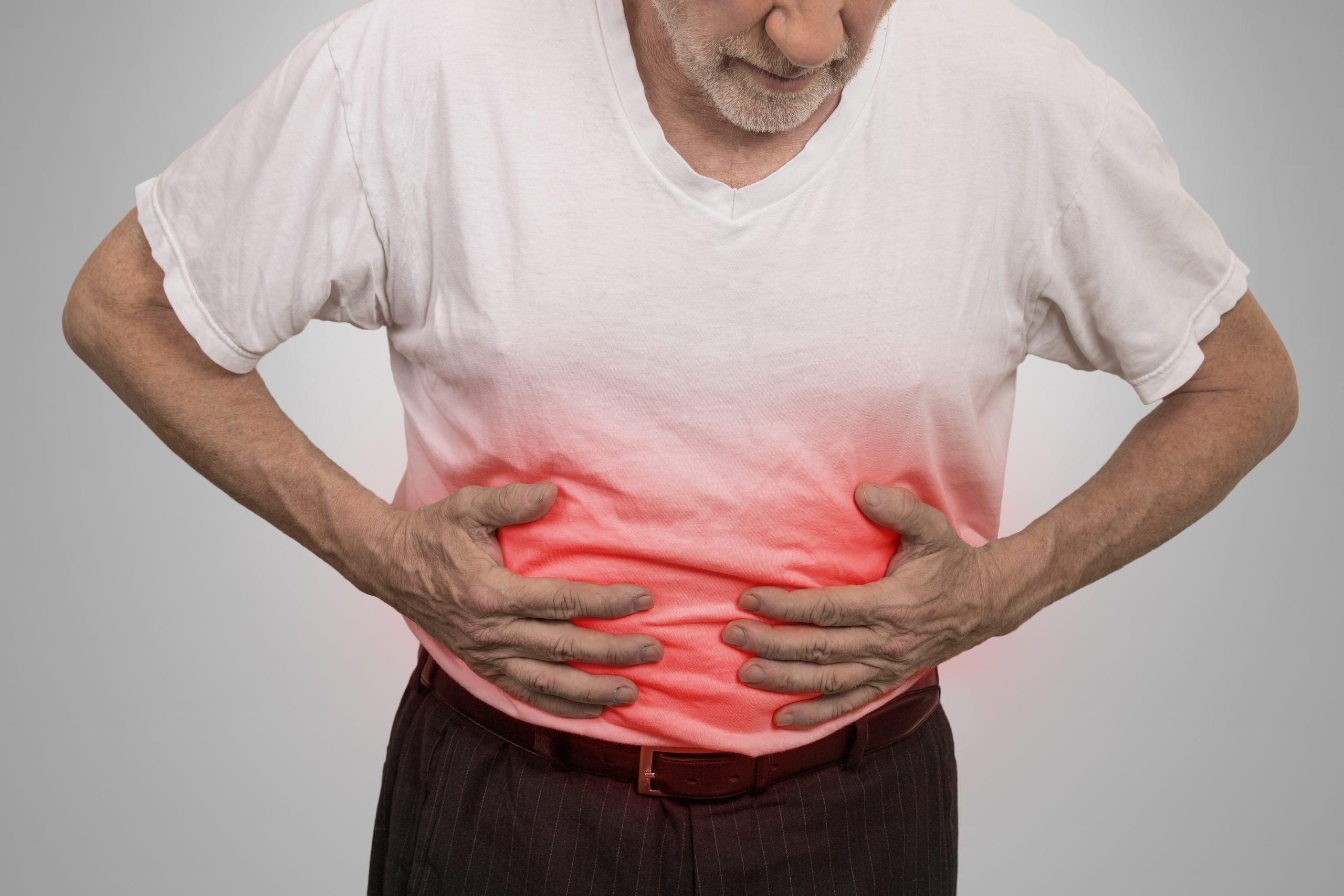
For millions of people worldwide, Irritable Bowel Syndrome (IBS) presents a daily struggle with abdominal pain, cramps, bloating, diarrhea, and constipation. Traditionally, medications have been a mainstay of treatment. However, a new study from the University of Gothenburg in Sweden suggests a surprising twist: dietary changes may be a more effective way to manage IBS symptoms.
Published in April 2024, the study is the first major research to directly compare dietary interventions with medications for IBS. Researchers divided participants with moderate to severe IBS into three groups. Two groups followed specific dietary protocols: a low FODMAP diet and a low-carbohydrate, high-protein/fat diet. The third group received standard IBS medication. All participants tracked their symptoms for four weeks.
The results were groundbreaking. Over 70% of participants in both dietary groups reported significant symptom reduction after four weeks. In contrast, only 58% of the medication group experienced similar improvement. These findings suggest that dietary changes may be superior to traditional medications in managing IBS symptoms.
Why This Matters: A Brighter Light on Managing IBS
For individuals living with IBS, this study offers a beacon of hope. Dietary changes are often seen as a complementary approach to medication, but these results elevate their potential to become the first line of defense. IBS symptoms can significantly impact quality of life, and the possibility of finding relief through dietary adjustments presents a welcome alternative to medications, which can come with side effects.
Science in Action: Unveiling the Power of Diet
The study explored two distinct dietary approaches:
- Low FODMAP Diet: This diet restricts fermentable oligosaccharides, disaccharides, monosaccharides, and polyols – complex sugars that can trigger digestive distress in IBS patients. By limiting these FODMAPs, the diet aims to reduce the gut’s workload and alleviate symptoms.
- Low-Carb, High-Protein/Fat Diet: This approach focuses on restricting carbohydrates and increasing protein and healthy fats in the diet. The theory is that reducing carbohydrates may improve gut function and decrease inflammation, leading to symptom relief.
The study’s success with both dietary strategies suggests that there may not be a one-size-fits-all approach for IBS management. Individual responses to different foods can vary, and the optimal dietary approach may be unique to each patient.
Choosing Your Diet: Exploring the Options
The low FODMAP diet has gained significant traction in recent years, with several studies demonstrating its effectiveness in managing IBS symptoms. However, it can be restrictive and requires careful planning. The low-carb, high-protein/fat diet offers a more flexible approach, but it may not be suitable for everyone, particularly those with pre-existing health conditions.
The Road Ahead: Individualized Treatment Plans
While the study’s findings are promising, it’s important to remember that it’s just one piece of the puzzle. Consulting with a doctor or registered dietitian is crucial before embarking on any dietary changes for IBS. A healthcare professional can assess your individual needs, medical history, and symptom profile to recommend the most appropriate dietary approach.
They can also guide you through the implementation process, ensuring you receive adequate nutrients and that your dietary changes are sustainable in the long run. In some cases, a combination of dietary modifications and medication may be the optimal strategy.
A New Dawn for IBS Management
This groundbreaking study opens doors to a future where dietary changes become the cornerstone of IBS management. With further research, we may be able to refine and personalize dietary recommendations for even greater symptom relief. The power of food to heal the gut is undeniable, and this study offers a compelling reason for individuals with IBS to explore the potential of dietary therapy. Remember, when it comes to IBS management, the path to relief might be on your plate.
Reference Source:
- https://www.medicalnewstoday.com/articles/dietary-interventions-better-than-medication-for-ibs-management
- https://www.ncbi.nlm.nih.gov/pmc/articles/PMC10944297/


