
Looking for an evergreen herb to help relieve mental and physical stress? Ashwagandha is an ancient medicinal herb that has been used for centuries in Ayurvedic medicine. It has been used to treat a wide variety of ailments, including stress, anxiety, fatigue, chronic pain, and depression. It is now gaining popularity for its potential health benefits, including its anti-cancer properties. Read on to find out the wonders of this herb.
What Is Ashwagandha?
Ashwagandha, known as Withania smonifera, is a member of the Solanaceae family and is native to India, Pakistan, and Sri Lanka. It is also known as Indian ginseng or winter cherry. The root of this plant is most often used in traditional Indian medicine to help promote general well-being and treat a range of ailments, as well as to promote physical and mental well-being.
How Is Ashwagandha Used?
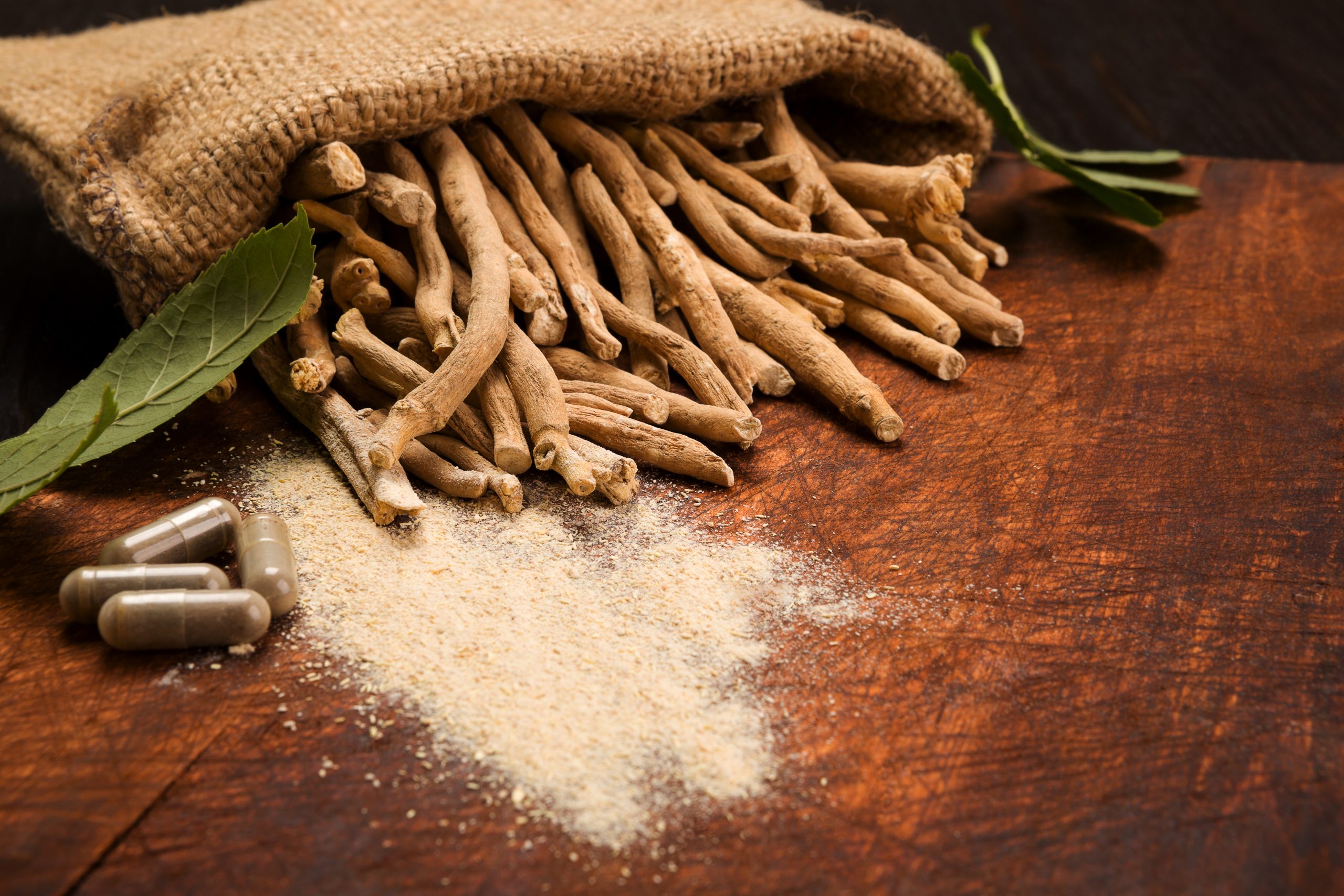
The herb can be used in many different forms, from tinctures and powders to capsules and teas. It is also available in a variety of forms such as tablets, liquids, and gels. The most common way to take Ashwagandha is as an herbal supplement in the form of a pill or powder.
It has a slightly bitter taste, which makes it an excellent addition to savory dishes. The powder can also be used to create herbal teas or added to smoothies for a healthy, energizing boost. It has also recently gained popularity as a topical cream or ointment.
In addition to its medicinal properties, Ashwagandha is also an important ingredient in many Ayurvedic skin care products. These products are known for their ability to nourish, hydrate, and protect the skin from environmental damage.
What Are The Wellness Benefits Of Ashwagandha?
According to research, Ashwagandha can help to reduce stress, anxiety, and depression. It has been shown to improve cognitive function and concentration, boost energy levels and enhance physical performance. Additionally, studies suggest that this herb may help to reduce inflammation, improve sleep quality, balance blood sugar levels, and even fight cancer.
In terms of its anti-cancer properties, studies show that Ashwagandha may be able to reduce the growth of certain types of cancer cells and inhibit tumor growth. It has also been found to boost the immune system and protect against oxidative damage caused by free radicals.
Why Ashwagandha is Great for Middle-Aged Men?
1. Stress Management: Ashwagandha is often referred to as an “adaptogen,” a category of herbs that may help the body adapt to stress. Studies suggest ashwagandha may help reduce stress hormones like cortisol, potentially promoting feelings of calmness and well-being.
2. Potential Benefits for Physical Performance: Early research suggests ashwagandha may improve muscle strength and power output. This could be of interest to men over 50 who are looking to maintain an active lifestyle. More studies are needed to solidify these claims.
3. Supporting Cognitive Function: Some research suggests ashwagandha may have benefits for cognitive function and memory. However, more research is needed in this area.
4. Sleep Quality: Ashwagandha may promote better sleep quality by reducing stress and anxiety. This can be especially beneficial for men over 50 who experience occasional sleep disturbances.
5. Overall Well-being: Ashwagandha is a source of antioxidants and other potentially beneficial compounds. These may contribute to overall well-being and potentially support healthy aging.
It’s important to note:
- Ashwagandha may interact with certain medications. Consult your doctor before using ashwagandha, especially if you have any pre-existing health conditions or take medications.
- Ashwagandha may cause side effects in some people, such as drowsiness or stomach upset.
Conclusion
Ashwagandha isn’t just an ancient herb – it’s a potential path to a healthier you. This adaptogenic wonder offers a range of potential benefits for middle-aged men, from stress management and improved sleep to potentially supporting cognitive function and physical performance. Its anti-inflammatory properties and potential role in overall well-being add to its appeal. Remember, consult your doctor before starting ashwagandha, especially if you take medications or have any pre-existing health conditions. By working with your healthcare provider, you can determine if ashwagandha is a safe and suitable addition to your wellness journey. Explore the different forms available – from capsules to teas – and discover how ashwagandha can help you embrace a healthier, more balanced you.
REFERENCES
Health Benefits
- https://www.ingentaconnect.com/content/ben/cnsamc/2010/00000010/00000003/art00004
- https://www.ncbi.nlm.nih.gov/pmc/articles/PMC3252722/#:~:text=Ashwagandha%20(Withania%20somnifera%2C%20fam.,its%20wide%20ranging%20health%20benefits
- https://www.webmd.com/diet/health-benefits-ashwagandha
Anti-cancer
- https://www.sciencedirect.com/science/article/abs/pii/S0278691504002273
- https://europepmc.org/article/med/9055640
- Traditional and medicinal uses of Withania somnifera
- Therapeutic uses of Withania somnifera (Ashwagandha) with a note on withanolides and its pharmacological actions.
- https://www.mdpi.com/1999-4923/15/4/1057


