
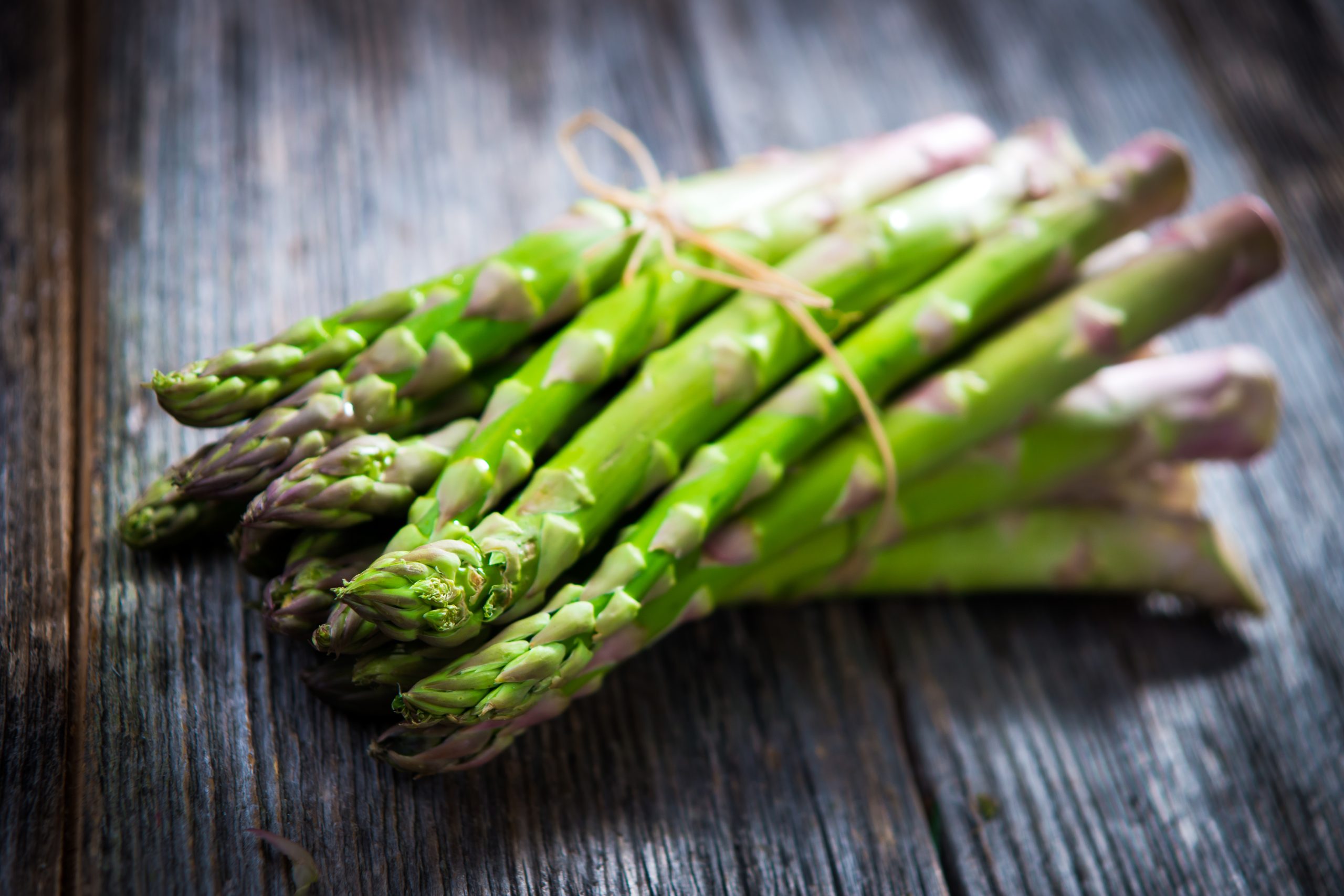
Did you know that medieval Europeans, the Romans, and ancient Egyptians all cherished the gorgeous perennial flowering plant “Asparagus” because of its excellent flavor? Greeks and Romans called this vegetable “asparagi.” Asparagus was first mentioned in writing in English in the year 1000 AD when the peasants called it “sparrow grass.”
The term asparagus became popularized in the 1900s.
What Is Asparagus?
Asparagus is an herbaceous perennial plant that belongs to the lily family. The plant’s immature shoots are consumed as a vegetable.
Asparagus plants grow all over the world. China, Germany, Peru, and the United States are the top four producers.
They thrive in temperate climates in the frozen ground. As the ground thaws and the weather gets warmer, the spears come out of the earth.
When these reach a height of 6-8 inches, they are picked; the thickest spears have a diameter of about half an inch. The harvest is finished when the spears are as thick as a pencil.
What Are The Uses Of Asparagus?
The spears are typically eaten. The seeds and roots are used in medicine. There are many ways of preparing asparagus such as steaming, roasting, boiling, grilling, and sautéing.
Asparagus often plays a role in traditional medicine to help with childbirth and treat stomachaches, backaches, and headaches. The root’s external application treats chronic gout, rheumatism, and pain. In addition, it may also act as a diuretic in treating otitis and sore throats.
What Are The Wellness Benefits Of Asparagus?
Asparagus is one of the most nutritious veggies and possesses many health benefits, including improving the digestive system, lowering blood pressure, reducing the risk of chronic diseases, assisting in weight loss, and supporting a healthy pregnancy.
Asparagus has a high fiber content. According to several studies, consuming a diet that is abundant in fruits and vegetables that are rich in fiber may assist in lowering one’s risk of developing heart disease, diabetes, and high blood pressure.
Asparagus is rich in folates, which are essential for DNA formation, cell proliferation, and healthy pregnancy. Numerous studies demonstrate that consuming enough folate from foods like fruit, green leafy vegetables, and asparagus can help prevent neural tube disorders like spina bifida.
Moreover, asparagus is low in calories and high in fiber. Many studies demonstrated that both of these properties promote weight loss.
Why Is Asparagus Great for Middle-Aged Men?
1. Supporting Heart Health: Maintaining a healthy heart is crucial throughout life. Asparagus is a good source of fiber, folate, and potassium. Fiber can help lower cholesterol levels, while folate and potassium play a role in blood pressure regulation. These factors may contribute to overall cardiovascular health.
2. Improved Digestion: Asparagus contains prebiotics, which are a type of fiber that feeds the good bacteria in your gut. This can promote a healthy gut microbiome and support digestive health.
3. Nutrient Rich: Asparagus is a good source of essential vitamins and minerals, including vitamins A, C, K, and B vitamins. It’s also a good source of folate and manganese. These nutrients play a vital role in various bodily functions and contribute to overall health and well-being.
4. Potential Source of Antioxidants: Asparagus contains antioxidants like vitamins A, C, and E, which may help protect cells from damage caused by free radicals. Free radicals contribute to the aging process and the development of chronic diseases.
5. Low in Calories and Fat: Asparagus is a low-calorie and low-fat vegetable, making it a suitable addition to a healthy diet for men over 50 who are watching their weight or managing blood sugar levels.
It’s important to note:
- The asparagus pee phenomenon: Asparagus contains a compound that breaks down into certain odor-causing chemicals after digestion. This can cause a noticeable odor in urine for some people. However, this is harmless and temporary.
Enjoy Asparagus in Many Ways:
Asparagus is a versatile vegetable that can be enjoyed roasted, grilled, steamed, or boiled. Here are some ideas:
- Roast asparagus with olive oil, salt, and pepper for a simple and delicious side dish.
- Add asparagus to stir-fries or omelets for a boost of flavor and nutrients.
- Enjoy asparagus on its own with a dip or sauce.
Further Exploration:
Asparagus is a delicious and nutritious addition to your diet. If you’re interested in learning more about how it might complement your health regimen, discuss it with your doctor or a registered dietitian. They can provide personalized advice based on your individual needs and health history.
Conclusion
Asparagus is more than just a fancy vegetable with a funny name. This spear-shaped superfood boasts a wealth of potential health benefits, making it a perfect addition to a middle-aged man’s diet. From supporting heart health and improving digestion to its abundance of essential vitamins and minerals, asparagus offers a range of advantages. It’s also low in calories and fat, making it a waistline-friendly choice. While the “asparagus pee phenomenon” might be a quirk, it’s a harmless side effect for a delicious and nutritious vegetable. Explore the many ways to incorporate asparagus into your meals – roasted, grilled, or simply enjoyed on its own. With its delightful flavor and potential health benefits, asparagus can be a simple yet powerful addition to your overall well-being.
REFERENCES
Health benefits
- https://www.ncbi.nlm.nih.gov/pubmed/26826021
- https://www.ncbi.nlm.nih.gov/pubmed/26021487
- http://www.bmj.com/content/347/bmj.f6879
- https://pubmed.ncbi.nlm.nih.gov/24284617/
- https://pubmed.ncbi.nlm.nih.gov/17209211/
- https://www.ncbi.nlm.nih.gov/pmc/articles/PMC4848697/
- https://pubmed.ncbi.nlm.nih.gov/22480489/
- https://pubmed.ncbi.nlm.nih.gov/23885994/
As An Anticancer Food
- https://www.sciencedirect.com/science/article/abs/pii/S0308814607002956
- https://pubmed.ncbi.nlm.nih.gov/28071026/
- https://pubmed.ncbi.nlm.nih.gov/18656928/
- https://pubmed.ncbi.nlm.nih.gov/23497863/
- https://www.ncbi.nlm.nih.gov/pmc/articles/PMC4808895/
- https://ar.iiarjournals.org/content/42/5/2425
- https://www.ncbi.nlm.nih.gov/pmc/articles/PMC8588164/


