
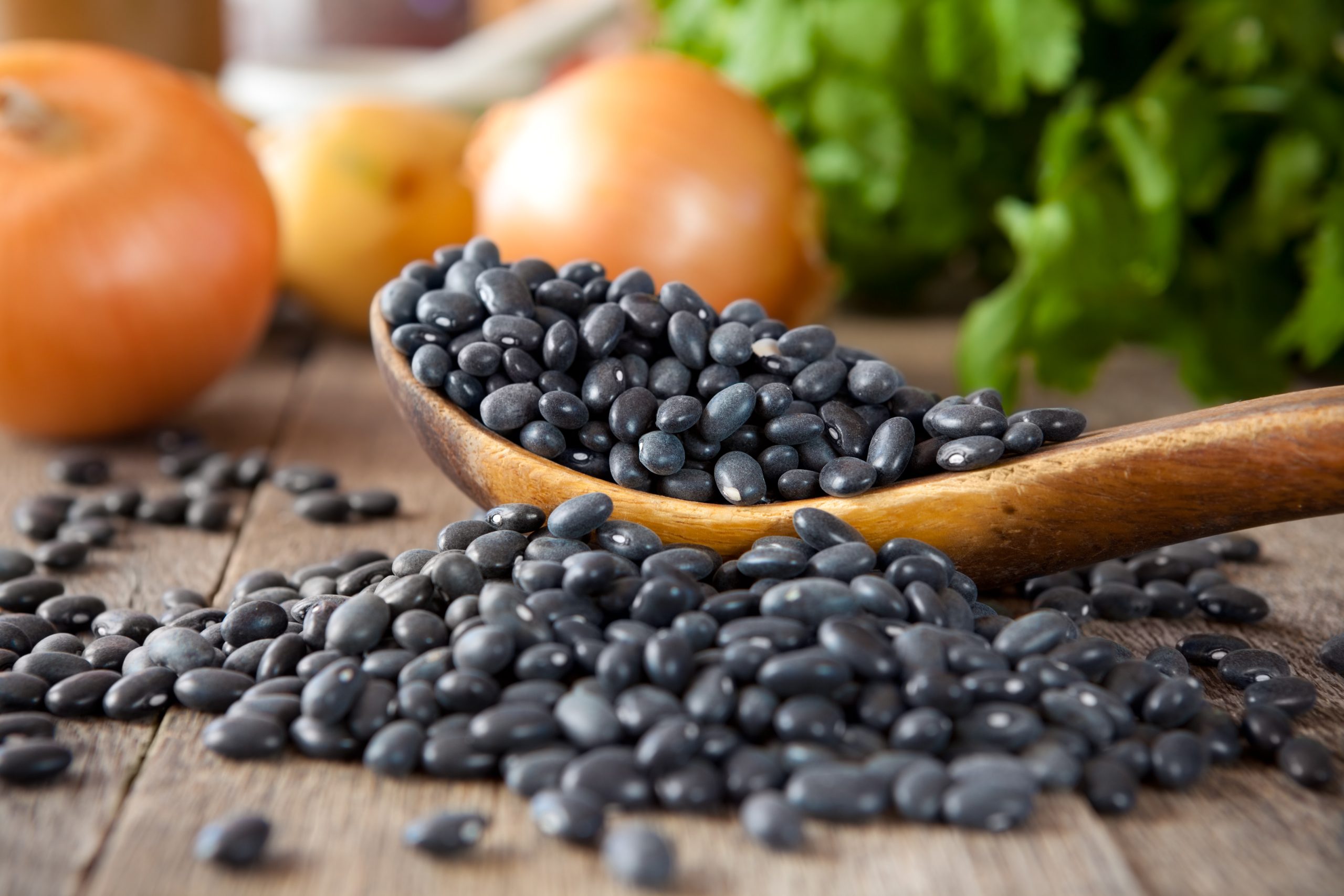
Legumes, including beans, lentils, and peas, are a powerhouse of nutrition. They are rich in plant-based protein, fiber, essential nutrients, and complex carbohydrates while being low in fat. This makes them an all-around healthy food choice for people of all ages. Whether you’re looking to improve your diet, manage your weight, or support overall wellness, legumes are a versatile and affordable option.
What Are Legumes?
Legumes are seeds or fruits from plants belonging to the Fabaceae family. This diverse group includes beans (like black beans, kidney beans, and pinto beans), peas, lentils, chickpeas, soybeans, and even peanuts. Each type of legume varies in taste, texture, nutritional profile, and culinary use. For example, lentils cook quickly and are ideal for soups, while chickpeas are perfect for making hummus or adding to salads
What Are The Uses Of Legumes?
Legumes are incredibly versatile and can be used in a variety of ways. They are commonly available canned, frozen, dried, or cooked. Dried legumes like beans and lentils are often soaked before cooking to reduce cooking time and improve digestibility.
In the kitchen, legumes shine as a meat substitute in dishes like stews, chili, soups, burgers, tacos, and burritos. They can also be tossed into salads, blended into dips (like hummus or bean spreads), or enjoyed on their own—boiled, roasted, or sprouted. Their adaptability makes them a staple in cuisines worldwide, from Indian dal to Mexican refried beans.
What Are The Wellness Benefits Of Legumes?
Legumes are a great source of fiber, which may offer various health benefits, including improving insulin sensitivity, regulating blood sugar levels, improving cholesterol levels, and lowering blood pressure. In addition, legume consumption may also be helpful in preventing cell damage, aging, and heart diseases.
Furthermore, legumes, rich in fiber and protein, make you feel full for a more extended period, which could ultimately lead to less food consumed and weight loss.
Why Legumes is Great for Middle-Aged Men?
1. Plant-Based Protein Powerhouse: Legumes are a fantastic source of plant-based protein, a vital nutrient for maintaining muscle mass and overall health. This is particularly important as muscle mass naturally declines with age.
2. Rich in Fiber: Legumes are packed with fiber, which keeps you feeling fuller for longer, aids digestion, and may even help with weight management.
3. Heart-Healthy Choice (Early Research): Early research suggests that legumes may contribute to heart health by potentially lowering LDL (“bad”) cholesterol levels and blood pressure. However, more studies are needed to confirm these benefits.
4. Source of Essential Vitamins and Minerals: Legumes are a valuable source of essential vitamins and minerals, including folate, iron, potassium, and magnesium. These nutrients play a crucial role in various bodily functions.
5. May Support Blood Sugar Management (Limited Research): Limited research suggests that legumes may help manage blood sugar levels due to their fiber content. This may be of particular interest for those concerned about blood sugar control.
Tips for Enjoying Legumes:
• Start with small portions to avoid bloating or gas, and gradually increase your intake to allow your digestive system to adjust.
• Opt for low-sodium canned legumes or rinse them thoroughly to reduce sodium content
Ways To EnjoyLegumes:
Legumes are incredibly versatile and can be enjoyed in countless ways:
• Add them to soups, stews, and chili for a hearty, protein-packed meal.
• Blend chickpeas into hummus or white beans into a creamy dip.
• Toss cooked lentils or black beans into salads for extra texture and nutrition.
• Experiment with legume-based recipes like veggie burgers, falafel, or lentil meatballs.
• Snack on roasted chickpeas or edamame for a healthy, crunchy treat
Conclusion
Legumes are a nutritious and affordable addition to a balanced diet for middle-aged men. Their plant-based protein, fiber content, and essential nutrients offer a range of potential health benefits. Remember, a healthy lifestyle with balanced meals, regular exercise, and stress management practices is key to overall well-being. So, explore the world of legumes and discover their delicious and health-promoting potential.
REFERENCES
Health Benefits
- https://www.ncbi.nlm.nih.gov/pmc/articles/PMC4608274/
- https://pubmed.ncbi.nlm.nih.gov/23885994/
- https://pubmed.ncbi.nlm.nih.gov/23089999/
- https://pubmed.ncbi.nlm.nih.gov/20536509/
- https://pubmed.ncbi.nlm.nih.gov/24898241/
- https://pubmed.ncbi.nlm.nih.gov/19939654/
- https://pubmed.ncbi.nlm.nih.gov/20499072/
- https://pubmed.ncbi.nlm.nih.gov/18845707/
Anti-cancer
- https://www.ncbi.nlm.nih.gov/pmc/articles/PMC4350074/
- https://www.wcrf.org/cancer-trends/colorectal-cancer-statistics/
- https://www.aicr.org/cancer-prevention/food-facts/dry-beans-and-peas-legumes/
- https://pubmed.ncbi.nlm.nih.gov/31593731/
- https://stanfordhealthcare.org/medical-clinics/cancer-nutrition-services/reducing-cancer-risk/phytochemicals.html


