
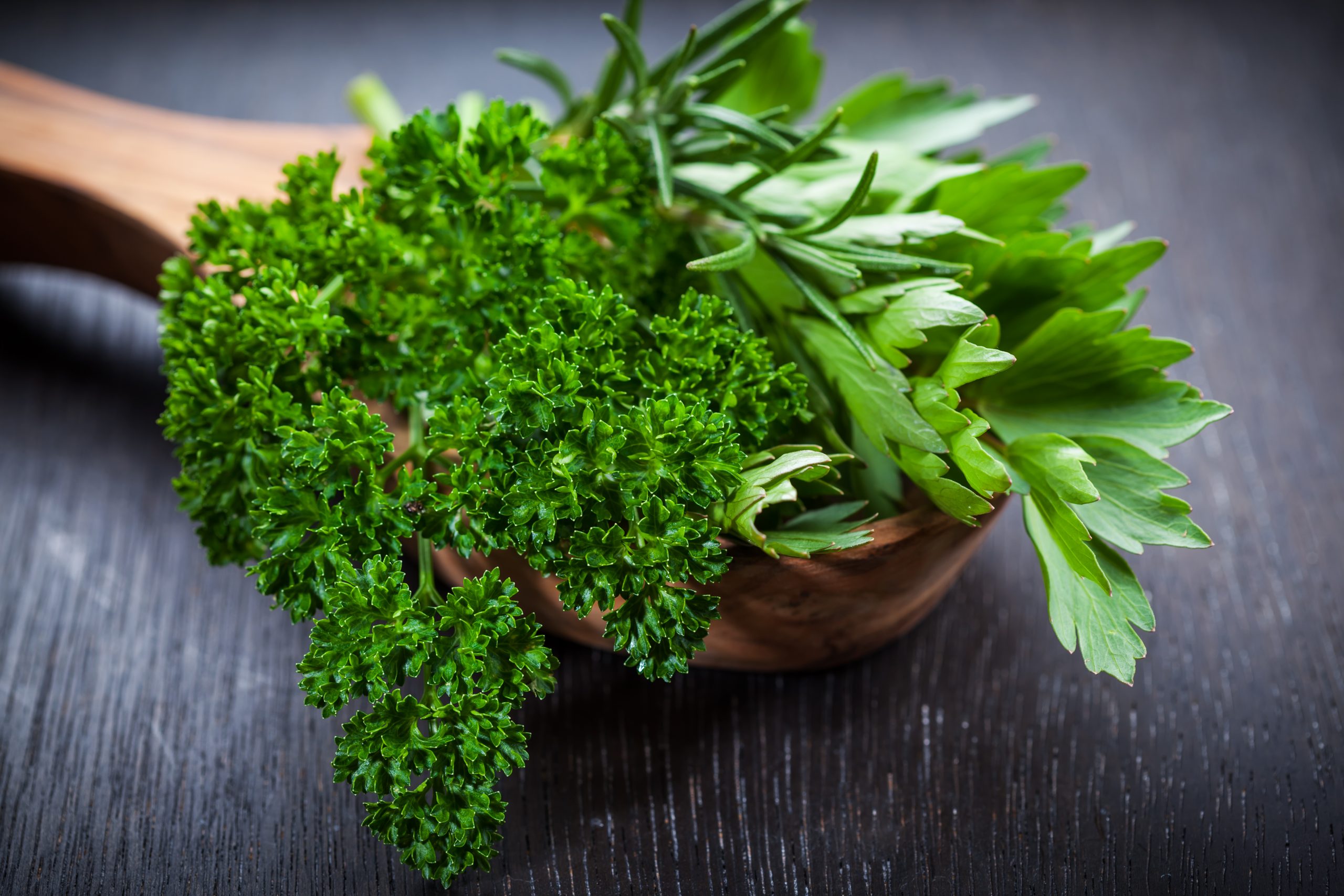
Despite the fact that parsley is one of the three best medicinal herbs (together with garlic and nettles), few people consume it alone. Those who do often use it to refresh their tongues, especially after a heavy meal or garlic.
What Is Parsley?
Parsley is an easy-to-use kitchen herb that is often a part of your everyday diet. It helps in meal preparation, salads, or as a culinary decoration. It can also be used to make drinks, either by combining them with other fruits or vegetables or by drinking them as a parsley-drenched or boiled beverage.
Parsley tea is also known as parsley tea. It is a sort of herbal tea that does not involve the traditional tea plant Camellia sinensis (Camellia sinensis). To reap the advantages of boiled parsley, simply boil some water and add some parsley leaves to it.
What Are The Uses Of Parsley?
Boiled parsley can be manufactured at home or bought as a ready-made tea bag from the market. Both techniques can be employed to reap the benefits of boiled parsley. It is one of the simplest and quickest to produce concoctions. Parsley can be used fresh or dried. Flavorings such as lemon, honey, or sugar can be added. To boil parsley, follow these steps:
- Remove the leaves off the stems of fresh or dried parsley.
- Boil an eighth of a cup to a quarter of a cup of parsley leaves in each cup of boiling water for no more than a minute, depending on your preference.
- Soak the leaves in water for 4-10 minutes before using. If you want to increase the flavor, leave it for a longer time.
- Pour the concoction into a glass after removing the leaves from the water.
What Are The Wellness Benefits Of Parsley?
Improve the digestive system’s and liver’s health
Eating parsley on a daily basis may help to improve digestive system health. Due to its involvement in supporting the liver, parsley raises glutathione levels, the liver’s principal antioxidant.
Parsley may help regenerate liver tissue after chronic illness damage, as it encourages the generation of bile in the liver. Bile plays a vital role in eliminating toxins from your life and the body. It contributes to poor digestion, bacterial development, and hormonal abnormalities.
Reduce blood sugar levels
Parsley has been demonstrated to reduce blood glucose levels. In some countries, it is utilized as an alternative treatment for type 1 diabetes.
Improving the odor of one’s body and breath
Because parsley is high in chlorophyll, it has a lovely smell that lingers on the breath and body. It’s worth noting that chlorophyll is anti-mutagenic and inhibits the growth of odor-causing bacteria. It causes bad breath and body odor.
Blood pressure reduction
Parsley is a diuretic, which means it increases sodium and water excretion through the urine while also increasing potassium reabsorption in the kidneys, lowering blood pressure.
Contribute to the reduction of cancer risk
Fresh parsley leaves are high in antioxidants such as flavonoids, carotenoids, vitamin C, and vitamin E, all of which protect the body from free radical damage. Free radicals are chemicals that cause harm to healthy cells and can lead to cancer.
Enhance bone health
One of the most important benefits of boiling parsley for people of all ages is that it improves bone health. Parsley contains high quantities of vitamin K which plays a vital role in various body functions, such as increasing calcium absorption and blood clotting.
Protection for the arteries
Boiled parsley provides vitamin B and folic acid, both of which aid to reduce homocysteine levels, which protects blood arteries from hardening.
Contribute to the skin’s therapy
The health benefits of boiling parsley are not confined to medicinal reasons; they also include aesthetic considerations. Applying cold-boiled parsley to the skin refreshes it and may help to minimize dark spots.
It helps reduce infections
Because parsley contains a volatile oil called eugenol, which has powerful anti-inflammatory qualities and can dramatically reduce edema, a decoction of parsley can help relieve pain and swelling associated with arthritis.
Why Parsley is Great for Middle-Aged Men?
1. Rich in Antioxidants: Parsley is a good source of antioxidants, which help protect cells from damage caused by free radicals. This can be beneficial for overall health and well-being, potentially reducing the risk of chronic diseases.
2. Potential Source of Vitamin K: Early research suggests that parsley may be a good source of vitamin K, which plays a crucial role in blood clotting and bone health. Maintaining healthy bones is particularly important for middle-aged men as they are more susceptible to bone loss.
3. Potential Anti-inflammatory Properties: Limited research suggests that parsley may possess some anti-inflammatory properties. Chronic inflammation has been linked to various age-related health concerns in men, such as heart disease and arthritis. While more studies are required, parsley consumption might be a dietary tool to help manage inflammation.
4. Culinary Versatility: Parsley’s fresh, slightly peppery flavor complements a wide range of dishes:
- Chopped parsley: Sprinkle it over soups, stews, salads, and cooked vegetables for a burst of freshness and additional nutrients.
- Parsley pesto: This flavorful alternative to traditional pesto adds a vibrant touch to pasta dishes.
- Parsley chimichurri: A vibrant sauce made with parsley, garlic, olive oil, and vinegar, perfect for grilled meats or fish.
- Parsley parsley juice: While not for everyone, parsley juice is a concentrated source of nutrients and antioxidants.
Choosing and Storing Parsley:
- Select parsley with bright green, crisp leaves. Avoid wilted or yellowing leaves.
- Store parsley in a loosely closed plastic bag in the refrigerator for up to a week. You can also freeze parsley for longer storage.
Conclusion
Parsley is a readily available and versatile herb that offers a range of potential health benefits, including antioxidant properties, vitamin K content, and possible anti-inflammatory effects. It adds a flavorful touch to various dishes, making it a simple way to enhance your diet. Remember, a healthy lifestyle with balanced meals, regular exercise, and stress management practices are key to overall well-being. So, don’t underestimate the power of parsley – embrace it as a flavorful ally for health!


