
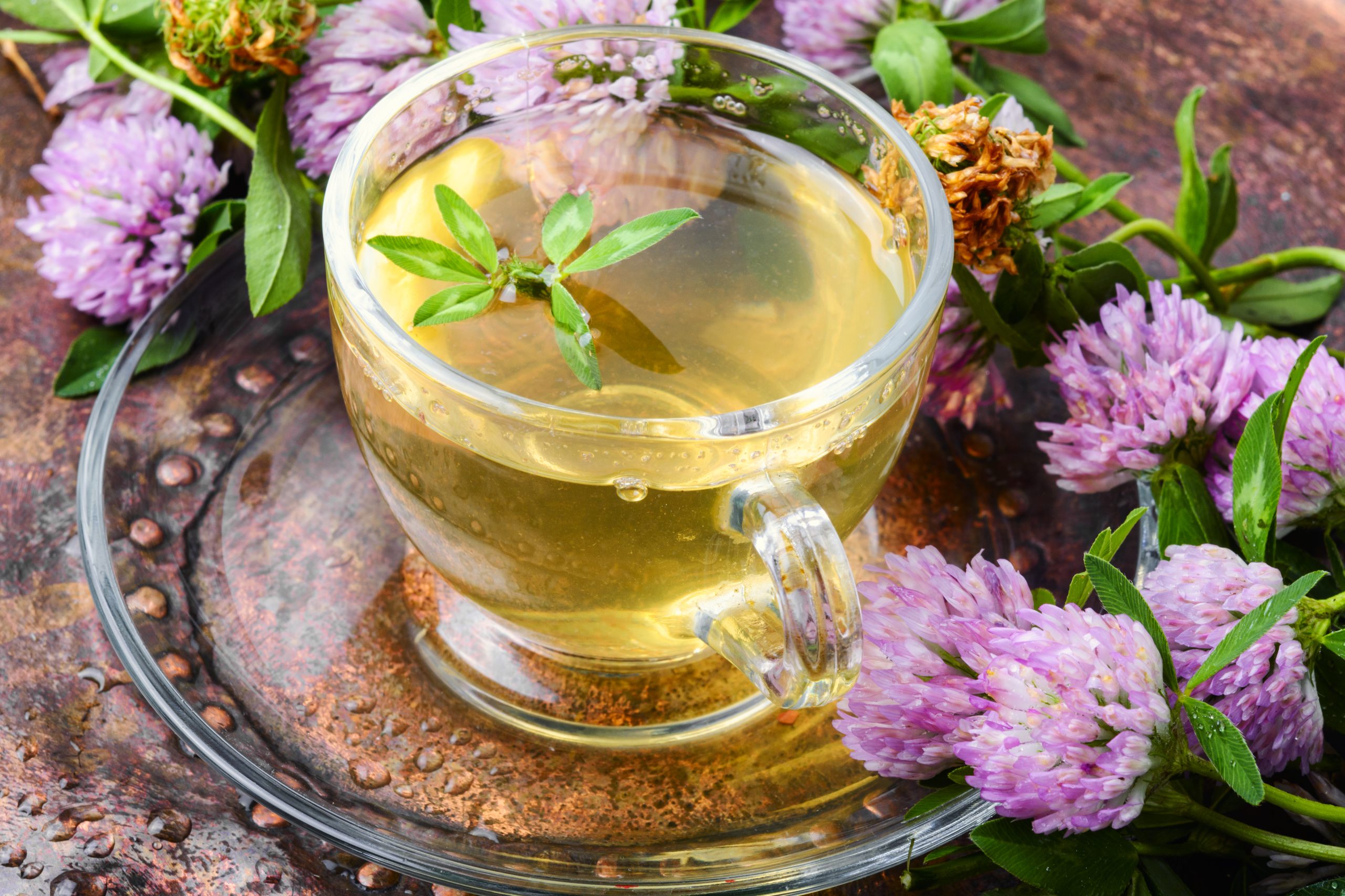
The charms of red clover are considered to be unequaled. Greeks, pre-Christian celts, and ancient Romans were so impressed by the healing properties of red clover that they worshipped it. Red clover is considered one of the world’s oldest crops – having been cultivated since prehistoric times.
What Is Red Clover?
Trifolium pretense which is the scientific name for red clover is an herbaceous and perennial plant. It grows 19cm (7.5 inches) in length and has alternating leaves. The dense and dome-shaped pink flowers make it easily recognizable. It belongs to the pea family and plays an important role in nitrogen-fixing.
How Is Red Clover Used?
In the past red clover was used to loosen phlegm and relieve throat spasms. People also used it to treat whooping cough. Its flowers are used as a garnish and can also be used to extract essential oils. Some people use it to relieve effects of menopause like night sweats and hot flashes. It is also used to treat skin conditions.
Red clover contains isoflavones which are converted into phytoestrogens once they enter the body. These phytoestrogens are very similar to estrogens and are used for the treatment of menstrual irregularities. In traditional medicine, it is also used to treat asthma, osteoporosis, heart conditions, and arthritis.
What Are The Wellness Benefits of Red Clover?
Scientific studies carried out in 2015 showed that women who took small amounts of red clover extract daily had less bone mineral density loss and improved bone health. Red clover also has skin and hair health benefits. One study on postmenopausal women indicated that taking red clover improved their skin texture, appearance, and overall quality. Another study carried out on men showed a decrease in hair loss when red clover extract was applied to the scalp.
Why Red Clover is Great for Middle-Aged Men?
1. Potential Benefits for Bone Health: Limited research suggests that red clover may have benefits for bone health. It contains isoflavones, which are plant compounds with a weak estrogen-like effect. This may be helpful for maintaining bone density in men, which can decline with age.
2. Early Research on Heart Health: Early research suggests red clover may offer some heart-healthy benefits. However, more studies are needed to confirm these potential effects.
3. Consulting a Healthcare Professional: Before considering red clover supplementation, it’s crucial to consult a healthcare professional. They can discuss your individual health needs and determine if red clover is a safe and appropriate option for you.
Conclusion
Maintaining a healthy lifestyle in your middle age is crucial for long-term well-being. While some emerging options like red clover warrant further exploration, there are many established dietary choices with proven benefits. Focus on incorporating a variety of fruits, vegetables, whole grains, and lean proteins into your diet. Don’t forget the importance of regular exercise, stress management practices, and consulting with your doctor for personalized guidance. By making informed choices and prioritizing a healthy lifestyle, you can navigate your middle years and beyond with vitality and strength.


