
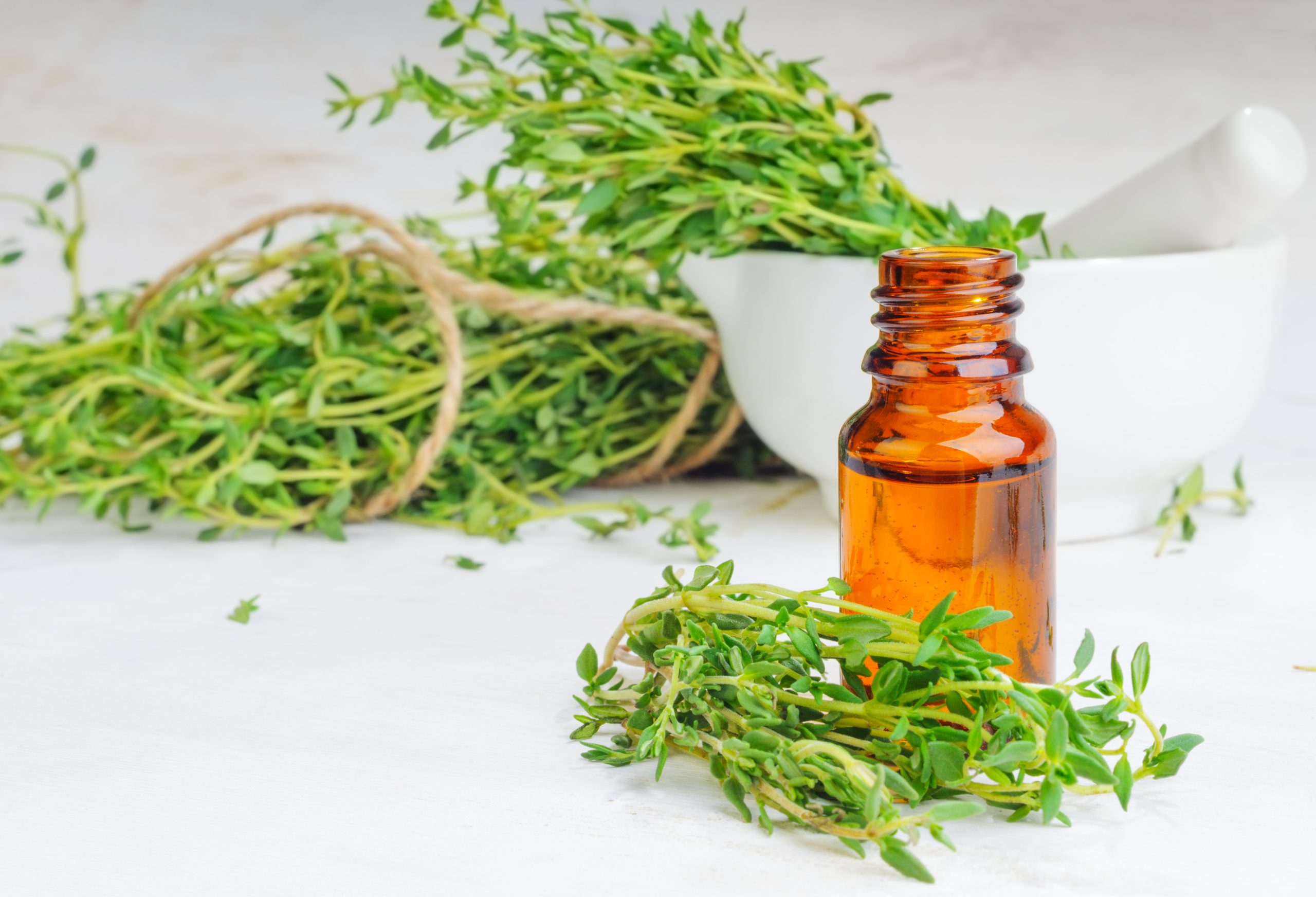
Did you know that thyme was named after the Greek word “thumos,” which means “courage”? In Persia, it was initially grown approximately 3000 BC. The Greeks thought that thyme would ward off all evil spirits or curses, whereas the Egyptians saw it as a sign of good fortune and happiness.
Certain cultures believed that placing a thyme sprig under one’s pillow would facilitate dreams of true love.
What Is Thyme?
Thyme is a fragrant, evergreen perennial herb with small leaves that grow in clusters on thin stems. It is a member of the “Lamiaceae” mint family. Thymes are related to the genus Origanum, which includes oregano. Both of these plants are mainly native to the Mediterranean region.
Thymus vulgaris is the most frequent variety. One of the common misconceptions is that thyme and wild thyme are the same. However, these are two different plants.
You can find thyme in many forms, from fresh to dry to essential oil.
What Are The Uses Of Thyme?
It has a wide range of medicinal, culinary, and ornamental uses. Thyme oil, leaves, and flowers can help treat various ailments and they can also add flavor to various foods. These include a sore throat, arthritis, stomachaches, and diarrhea.
Ancient Egyptians utilized thyme for embalming. Ancient Greeks believed it provided a source of courage, so they used it in their baths and burned it in their temples as incense.
This herb is typical in herbes de Provence and the bouquet garni.
What Are The Wellness Benefits Of Thyme?
Thyme is famous for its many beneficial therapeutic properties.
Thymol, which is an active antibacterial component in thyme, can help to defend against infections. According to a study published in the International Journal of Food Microbiology, thymol may lessen bacterial resistance to common medicines like penicillin.
A Polish study tested thyme oil and lavender oil, and the researchers found that thyme oil has a better effect against resistant types of Enterococcus, Pseudomonas, Staphylococcus, and Escherichia bacteria.
Thyme can be made into a tincture by steeping it in alcohol for several days or weeks. A research study published in Molecules journal in 2010 found that thyme essential oil has an antimicrobial effect on P. acnes (the presumed acne-causing bacteria).
According to a study available on PubMed®, rats with elevated blood pressure had their heart rates dramatically reduced by an extract prepared using parts of Thymus linearis Benth. Additionally, it managed to reduce their cholesterol.
An older study published in 2006 found that thyme and ivy leave relieved acute bronchitis. The study also found that they were effective in reducing coughing and other symptoms.
Moreover, in an animal model, a 2018 study found that combining extracts from thyme and primula helped reduce swelling and mucus.
Why Thyme is Great for Middle-Aged Men?
1. Potential Immune Support: Early research suggests that thyme may possess immune-modulating properties. Thymol, a compound found in thyme, might offer some immune support. However, more studies are needed to confirm these potential benefits.
2. Culinary Versatility of Thyme: Thyme’s versatility allows it to elevate various dishes:
- Roasted Vegetables: A sprinkle of thyme adds depth of flavor to roasted vegetables.
- Soups and Stews: Thyme infuses a warm, herbaceous touch to soups and stews.
- Marinades: Thyme adds a fragrant note to marinades for meats, poultry, and fish.
- Eggs and Sauces: Thyme complements eggs, cheese sauces, and tomato-based sauces.
Choosing and Storing Thyme:
- Fresh thyme is generally preferred for its stronger flavor. Look for bunches with vibrant green leaves and no signs of wilting.
- Dried thyme is a convenient option but has a less intense flavor.
- Store fresh thyme in the refrigerator, wrapped in a damp paper towel, for up to a week. Dried thyme can be stored in a cool, dark cupboard for up to 6 months.
Using Thyme:
- Thyme sprigs can be added whole to soups and stews, then removed before serving.
- Strip the leaves from the stems before using them in marinades or sauces.
- Start with a small amount of thyme and adjust to your taste preference.
Conclusion
Thyme is a versatile and flavorful herb with potential immune-supporting properties. Its ease of use and ability to elevate various dishes make it a simple way to add a touch of fragrance and potentially some health benefits to your diet. Remember, a balanced diet with a focus on whole foods, regular exercise, stress management practices, and consulting with your doctor are key to overall well-being. So, embrace the world of herbs and explore the culinary adventures thyme offers!
REFERENCES
Health benefits
- https://www.ncbi.nlm.nih.gov/pmc/articles/PMC6263286/
- https://pubmed.ncbi.nlm.nih.gov/25272894/
- http://www.ncbi.nlm.nih.gov/pubmed/17063641
- https://www.sciencedirect.com/science/article/abs/pii/S1094553918300609
- https://www.sciencedirect.com/science/article/abs/pii/S0168160510001868
- https://www.ingentaconnect.com/search/article?option1=tka&value1=Antibacterial+activity+of+thyme+and+lavender+essential+oils&pageSize=10&index=1
Anticancer properties
- https://www.ncbi.nlm.nih.gov/pmc/articles/PMC6263286/
- https://pubmed.ncbi.nlm.nih.gov/23285814/
- https://www.tandfonline.com/doi/full/10.1080/01635581.2012.719658#.Ul_MYWTk-z5
- https://www.researchgate.net/publication/322996474_An_in_vitro_study_on_antimicrobial_and_anticancer_potentiality_of_thyme_and_clove_oils
- https://www.tandfonline.com/doi/abs/10.1080/0972060X.2021.1973575
- https://pubmed.ncbi.nlm.nih.gov/25379783/


