
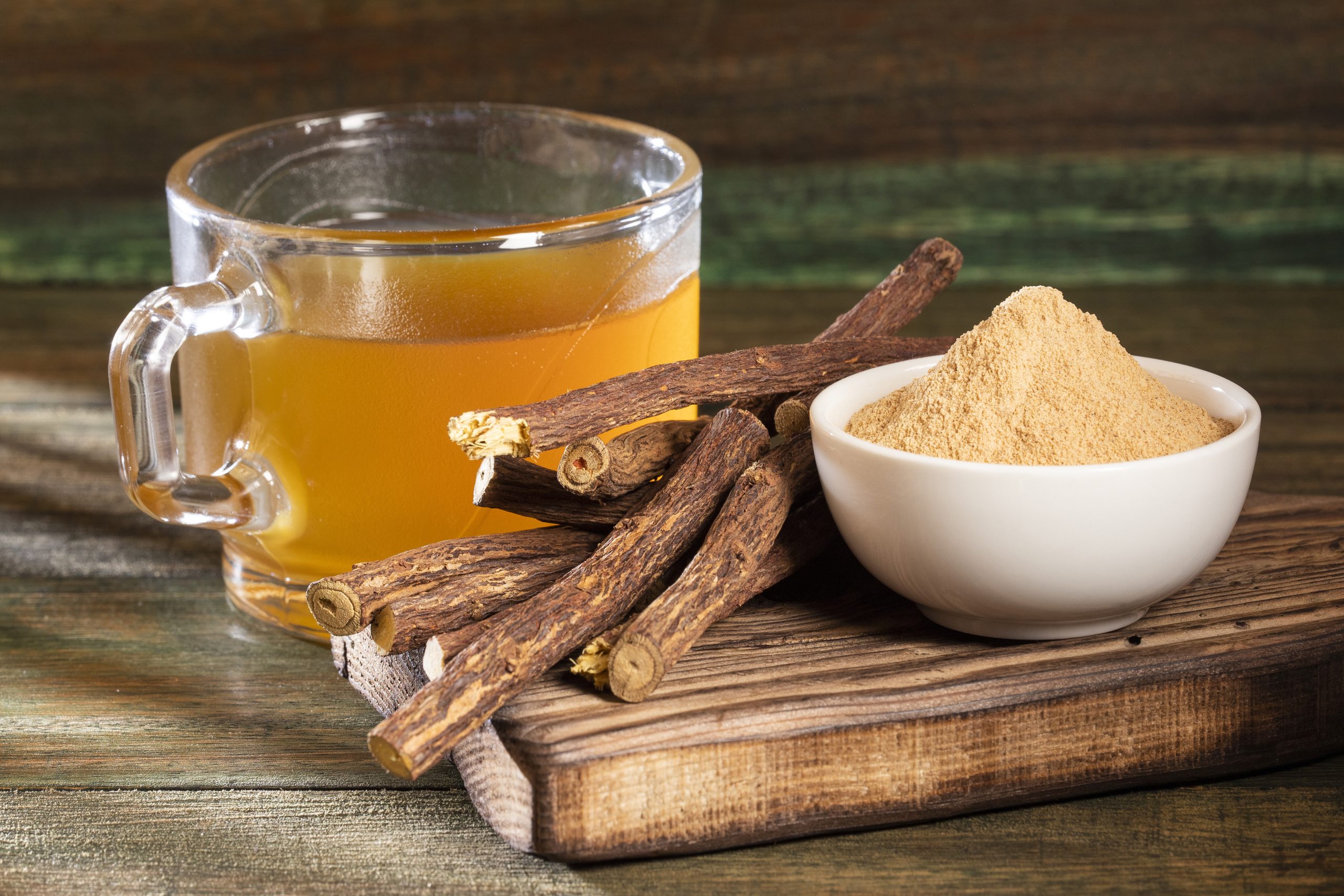
What Is Licorice Root?
Licorice root is one of the many things found in the tomb of King Tut (Tutankhamun). Even though archeologists still do not know why it was there. The history of licorice dates back 3000 years. Some 2300 years ago, Chinese emperor Shennong experimented on different plants and called licorice a magic plant for aging men. From China, licorice use then spread to Africa, Europe, and India.
What Are The Uses Of Licorice Root?
For millennia, herbal medicine has used licorice to treat sore throats and other diseases. It is among the oldest herbal plants in the world. Its medicinal use dates back to ancient Egyptian, Assyrian, Greece, Chinese and Indian cultures. Today, Asia, the Middle East, and Europe are the largest consumers of licorice. Licorice root comes from the root of the licorice plant scientifically known as Glycyrrhiza glabra. It is a flavoring agent in candies, beverages, and other food items. For medicinal purposes, it is used in cough syrups.
What Are The Wellness Benefits Of Licorice Root?
There are 300 different beneficial compounds present in the licorice root. Each of these compounds has anti-microbial, anti-inflammatory, and antioxidant properties. Below, we have given some health benefits of licorice root:
Skin infections:
Many compounds from licorice root reduce skin inflammation and help treat different skin conditions. According to one animal study, licorice root extract relieved the painful symptoms of eczema. In another study conducted on humans, applying a cream containing licorice extract improved eczema. It is also used for treating acne.
Stomach ulcers:
Stomach ulcers, also known as peptic ulcers, are caused by a bacteria known as Helicobacter pylori. Studies have shown that adding licorice root extract to the treatment enhances H. pylori elimination and control. Reviews of other studies also suggest a link between the anti-ulcer activity of licorice root and treating stomach ulcers. A processed form of licorice extract available on the market also reduces gastric and intestinal irritation. It can help improve digestion by preventing acid reflux and heartburn.
Liver infection:
Glycyrrhizin, a substance present in licorice, shows anti-microbial properties against hepatitis C. The hepatitis virus damages liver cells and causes chronic inflammation. According to test tube studies, Licorice extract may be able to treat hepatitis C in the future.
Teeth cavities:
Licorice extract is also helpful in treating tooth decay. It kills a bacteria known as Streptococcus mutans in the mouth. Reducing the number of these bacteria reduces the acidity in the mouth, preventing tooth decay.
Throat infection:
The most ancient use of licorice is cough syrups. Some people believe that licorice root tea can reduce sore throat symptoms. Studies have found that using licorice root can help prevent postoperative sore throat.
Other studies have also suggested that it can treat respiratory ailments like asthma. Glycyrrhizin extract from licorice root is the principal compound that plays a role in treating asthma. But only animal studies have been carried out in this respect; human research is still needed.
Why Licorice Root is Great for Middle-Aged Men?
1. Potential Digestive Aid (Limited Research): Limited research suggests that licorice root may help soothe occasional digestive discomfort, such as heartburn or indigestion. However, more studies are needed to confirm these effects.
2. May Support Immune Function (Early Research): Early research suggests that licorice root may possess some immune-modulating properties. However, more research is required to fully understand these effects.
3. Potential Anti-inflammatory Properties (Emerging Research): Emerging research suggests that licorice root may have some anti-inflammatory properties. Chronic inflammation has been linked to various age-related health concerns. However, more studies are needed to confirm these effects.
4. Natural Sweetener: Licorice root powder can be used as a natural sweetener for beverages or desserts. This can be a helpful option for those looking to reduce their intake of added sugar.
It’s important to note:
- Licorice root can interact with certain medications, including blood pressure medications and diuretics. Consult your doctor before consuming licorice root, especially if you take medication.
- Excessive licorice root consumption can lead to side effects such as high blood pressure, low potassium levels, and muscle weakness. Consume licorice root in moderation and for short periods.
Enjoying Licorice Root:
Licorice root is a versatile ingredient that can be enjoyed in moderation:
- Steep licorice root in hot water to create a soothing herbal tea.
- Add a small amount of licorice root powder to enhance the flavor of savory dishes or marinades (use sparingly due to its strong flavor).
- Use licorice root powder in small amounts for baking, keeping in mind it will significantly alter the taste of your recipe.
Conclusion
Licorice root offers a unique flavor profile and potential health benefits for middle-aged men, particularly with regards to digestion and inflammation. However, it’s crucial to consume it in moderation and consult your doctor before incorporating it into your diet. Remember, a healthy lifestyle with balanced meals, regular exercise, and stress management practices is key to overall well-being. Explore licorice root responsibly and experience its potential benefits alongside a healthy lifestyle.
REFERENCES
- https://tomsgroup.com/en/toms-history/the-story-of-liquorice/
- https://licorice.com/blogs/news/the-delicious-history-of-licorice
- https://today.uic.edu/researchers-look-to-licorice-for-promising-cancer-treatments
- https://www.medicalnewstoday.com/articles/323761#how-to-use-licorice-root
- https://www.healthline.com/nutrition/licorice-root#benefits


