
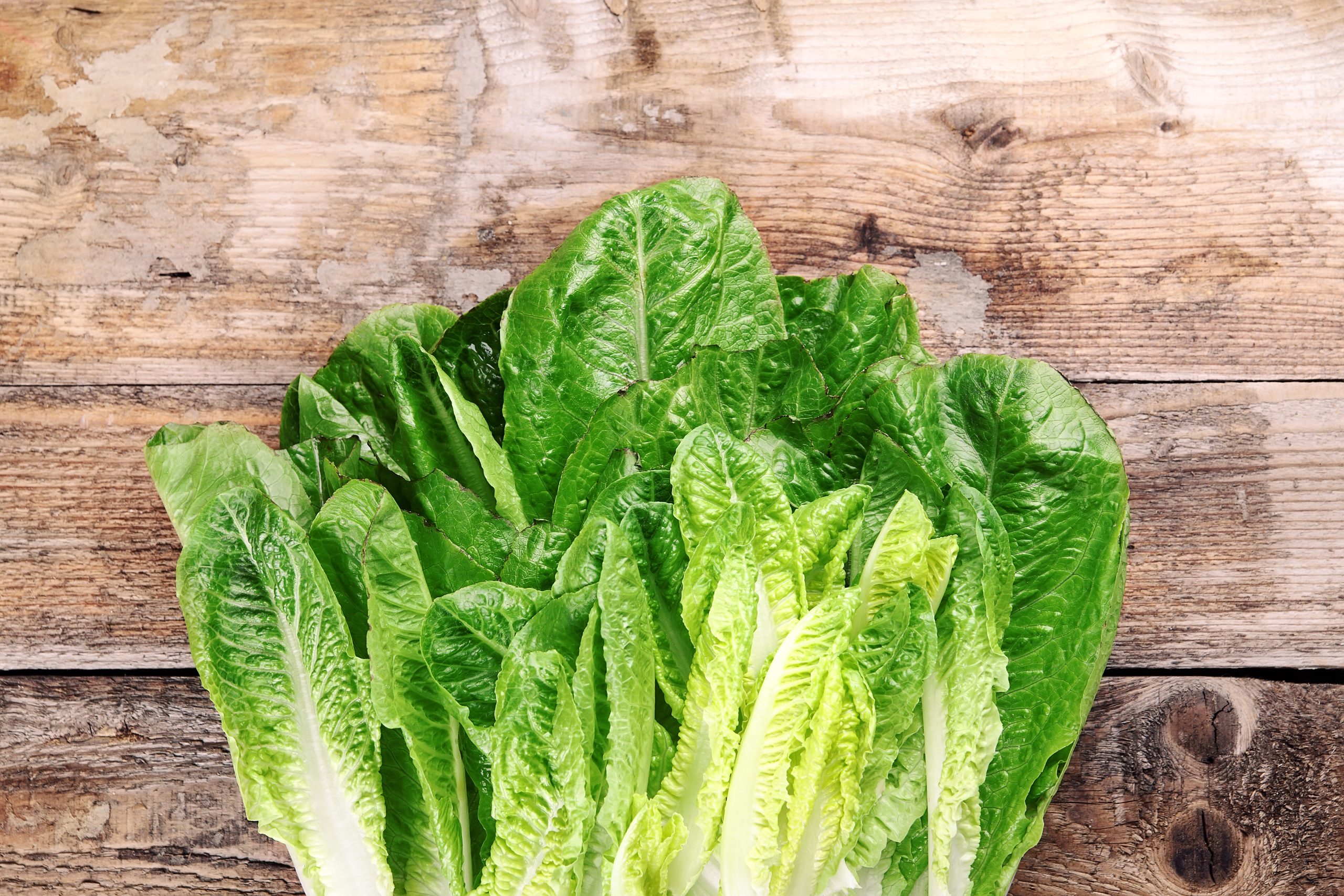
What Are Salad Greens?
The word salad comes from the Latin word “Herba Salta” meaning salted Herbs. It was so named because the salad was usually seasoned with a lot of salt to give it flavor. Ancient
Egyptians considered lettuce an aphrodisiac and usually offered it to the fertility God Min. Salad greens were also eaten 2500 years ago by Persian kings and Romans and Greeks thought that lettuce helps you sleep peacefully at night.
How Are Salad Greens Typically Used?
The popularity of the salad increased during the Roman and Greek civilizations. The Romans were especially fond of salad. They grew salad greens and consumed them both raw and minced. During Emperor Dominican’s reign, salad started to be served at the beginning of the feast instead of at the end of the meals. Salad Greens are a family of leafy green vegetables that often include cabbages, and lettuce like iceberg, romaine, and frisee.
Salad greens are so popular because they are loaded with essential nutrients that offer several health benefits. Although each vegetable offers a different combination of nutrients, eating any of these vegetables is good for overall health.
What Are Salad Green?
Endive is a leafy green vegetable belonging to the chicory root family. Different types of endives are available. Escarole is a specialty of Italian food or salad. It is a leafy vegetable that looks like lettuce but is bitter in taste while romaine lettuce is a lush dark green colored vegetable that offers many powerful health benefits.
What Are The Wellness Benefits Of Salad Greens?
Rich in Antioxidants:
Lettuce, escarole, and endive are rich in many antioxidants like vitamin A, C, etc. Antioxidants are protective agents that protect the body against oxidative damage. Long-term exposure to free radicals that cause oxidative damage leads to chronic inflammation. Kaempferol is an antioxidant present in escarole and it protects the body against chronic inflammation. Vitamin A and C present in lettuce also reduce oxidative stress by eliminating free radicals from the body.
Bone and heart health:
Endive and escarole both are rich in vitamin K which plays a vital role in blood clotting and bone metabolism. It also increases calcium absorption which further strengthens the bones. Similarly, increased intake of Vitamin K can reduce the risk of bone fractures.
Romaine lettuce is rich in potassium which is important for maintaining cardiovascular health. Folate present in Roman lettuce further protects the heart by breaking homocysteine so that body can remove it. Accumulation of homocysteine in the body contributes to heart complications. So, romaine lettuce is a good way of keeping your homocysteine levels in check.
Eye health:
Romaine lettuce and escarole both are rich in vitamin A. Vitamin A is an important part of rhodopsin a pigment in the eye that differentiates between light and darkness.
Similarly, deficiency of Vitamin A can cause a number of eye-related diseases for example cataracts, night blindness, etc.
Why Salad Greens is Great for Middle-Aged Men?
1. Packed with Essential Nutrients: Salad greens are a good source of essential vitamins and minerals, including vitamins A, C, and K, as well as folate and fiber. These nutrients contribute to overall health, digestion, and immune function.
2. Low in Calories and Fat: Salad greens are naturally low in calories and fat, making them a perfect choice for weight management or maintaining a healthy weight.
3. Culinary Versatility of Salad Greens: Salad greens go beyond iceberg lettuce! Explore a world of flavor and texture with different varieties:
- Arugula: Peppery and bold, arugula adds a kick to salads with grilled meats or strong cheeses.
- Spinach: Nutrient-rich spinach offers a mild flavor and works well in salads, smoothies, or even omelets.
- Romaine Lettuce: A classic choice, romaine provides a sturdy base for salads with heavier dressings or toppings.
- Kale: This trendy green is packed with nutrients and has a slightly bitter flavor that complements sweet or savory ingredients.
- Mixed Greens: Pre-washed mixed greens offer convenience and a variety of flavors and textures in a single bag.
Choosing and Storing Salad Greens:
- Select salad greens with crisp leaves and vibrant color. Avoid greens with wilted or yellowing leaves.
- Look for unwashed greens if you plan to use them immediately. Pre-washed greens offer convenience but might have a shorter shelf life.
- Store salad greens in a sealed plastic bag in the refrigerator for up to a week.
Conclusion
Salad greens are a nutrient-rich and versatile foundation for healthy meals. Their low-calorie content and variety of flavors make them a perfect way to incorporate essential vitamins and fiber into your diet. Remember, a balanced diet with a focus on whole foods, regular exercise, stress management practices, and consulting with your doctor are key to maintaining a healthy weight and overall well-being. So, explore the world of salad greens and create vibrant and delicious meals that support your health journey!


