
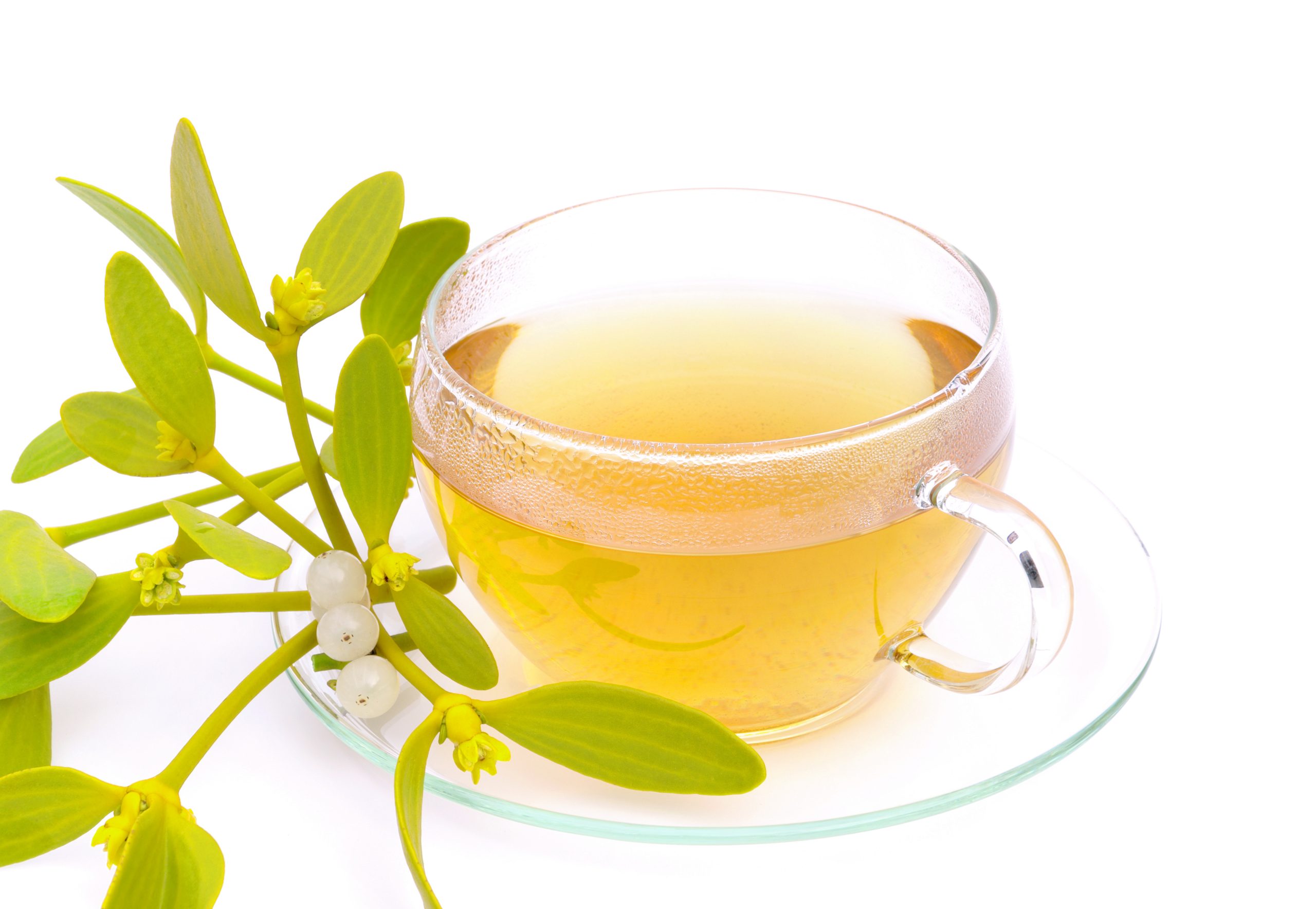
When you hear the word mistletoe you may think of hugging, kissing, and Christmas. Mistletoe, the plant with distinctive white berries, has been a part of European folklore and Christmas celebrations for centuries. However, this plant has been used in traditional medicine for its medicinal properties. In recent years, mistletoe has gained attention for its potential health benefits, particularly in fighting cancer.
What Is Mistletoe?
Mistletoe is a parasitic plant that grows on a host tree, deriving its nutrients from the host’s branches. There are several species of mistletoe, but the most commonly used for medicinal purposes is European mistletoe (Viscum album). It is native to Europe and Asia but can now be found growing in other parts of the world, including North America.
How Is Mistletoe Used?
Mistletoe has been used for medicinal purposes for centuries. It is primarily used to boost the immune system, treat hypertension, and alleviate anxiety.
Mistletoe extract can also help regulate blood pressure, improve circulation, and stimulate the digestive system. Additionally, mistletoe has been found to possess anti-inflammatory properties, which can help alleviate symptoms of conditions like arthritis.
What Are The Wellness Benefits Of Mistletoe?
Mistletoe has been used as a traditional medicine for centuries due to its various health benefits. One of the most important health benefits of mistletoe is its ability to strengthen the immune system. Mistletoe is believed to stimulate the production of white blood cells, which are crucial for fighting off infections and diseases. It also has anti-inflammatory properties that help reduce inflammation in the body, thereby improving overall health.
Mistletoe is also believed to have a positive effect on the nervous system. It has been found to help reduce anxiety and stress levels, as well as improve mood and cognitive function. In addition, mistletoe is said to have a calming effect on the body, which can help improve sleep quality and duration.
Furthermore, mistletoe has been used to help manage symptoms of arthritis, such as pain and stiffness. It contains anti-inflammatory compounds that can help reduce inflammation in the joints, thereby providing relief from arthritis symptoms.
Why Mistletoe is Great for Middle-Aged Men?
1. Potential Immune Support (Early Research): Early research suggests that mistletoe may have some immune-modulating properties. However, more research is needed to fully understand these effects and their potential benefits for middle-aged men’s immune health.
2. Anti-inflammatory Properties (Limited Research): Limited research suggests that mistletoe may possess some anti-inflammatory properties. Chronic inflammation has been linked to various age-related health concerns in men. However, more studies are needed to confirm these effects.
Important Considerations:
- Mistletoe can be toxic if ingested. It should never be consumed without the guidance and supervision of a qualified healthcare professional.
- Mistletoe supplements and extracts are not regulated by the FDA and may interact with certain medications. Always consult your doctor before considering mistletoe use.
Conclusion
While research on mistletoe’s benefits is ongoing, some early studies suggest potential immune support and anti-inflammatory properties. However, significant safety concerns exist, and mistletoe should never be consumed without professional guidance. Remember, a healthy lifestyle with balanced meals, regular exercise, and stress management practices are key to overall well-being for middle-aged men. Explore mistletoe with caution and prioritize a healthy lifestyle for optimal well-being.
REFERENCES
Health Benefits
- https://www.verywellhealth.com/mistletoe-5081981
- https://draxe.com/nutrition/mistletoe/
- https://www.indigo-herbs.co.uk/natural-health-guide/benefits/mistletoe
- https://www.nccih.nih.gov/health/european-mistletoe


